
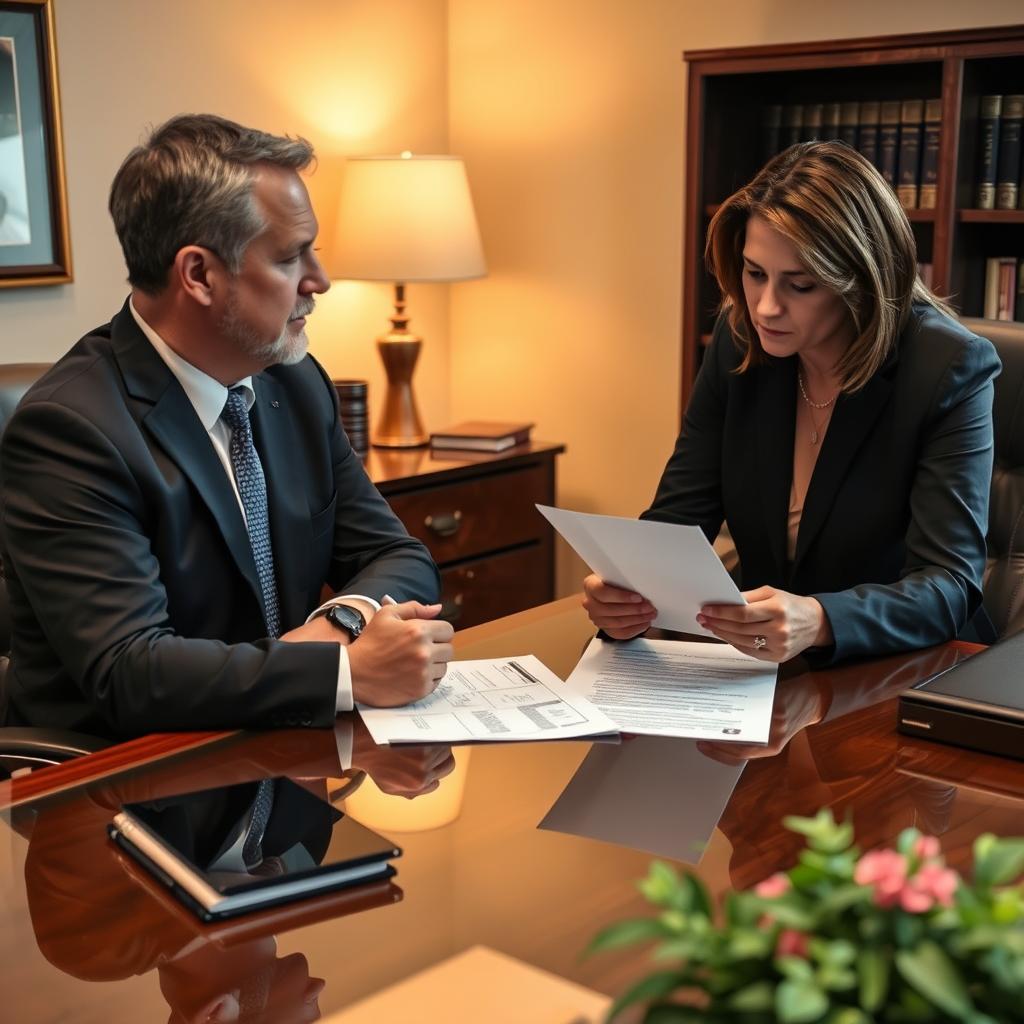
Desertion Divorce Lawyer James City County, VA
When a spouse walks away from a marriage without justification and stays away for a year or more, Virginia law provides a fault-based ground for divorce known as desertion. At Law Offices Of SRIS, P.C., Mr. Sris and his Of Counsel represent clients seeking a divorce on desertion grounds in James City County and throughout the Commonwealth. Our Richmond location — 7400 Beaufont Springs Drive, Suite 300, Room 395, Richmond, VA 23225 — serves James City County residents by appointment. For Spanish-speaking clients, the firm’s staff includes professionals who can communicate in Spanish, and we can arrange interpretive services in other languages as needed. To request a consultation about a desertion divorce or any family law matter, reach us at (888) 437-7747 toll‑free or the Richmond location at (804) 201-9009. Law Offices Of SRIS, P.C. — Advocacy Without Borders.
What Desertion Divorce Means in James City County
Desertion is a fault‑based divorce ground in Virginia. Under Virginia Code § 20-91, the filing spouse must prove that the other spouse willfully abandoned the marital relationship without justification and that the abandonment continued for a full year. Unlike a no‑fault divorce, which rests on a separation period alone, a desertion case requires evidence of the abandoning spouse’s intent to end the marriage and a lack of consent from the left-behind spouse. James City County Circuit Court — 5201 Monticello Avenue, Suite 4, Williamsburg, VA 23188 — has exclusive jurisdiction over the divorce itself, while the James City County Juvenile & Domestic Relations District Court handles related custody, support, and protective-order matters.
The 9th Judicial District, which includes James City County, processes a steady volume of family law filings each year. Our Richmond location represents clients at both courts. Mr. Sris and his Of Counsel are experienced in presenting the factual record that Virginia judges need when evaluating whether the statutory element of willful desertion has been met. We analyze the evidence — communications, financial records, and testimony — so the court can determine whether the abandonment was continuous, intentional, and without the consent of the spouse seeking the divorce.
How Mr. Sris and His Of Counsel Handle Desertion Divorce Cases
A complaint for divorce based on desertion must plead the specific fault ground and include supporting facts. After filing the complaint with the James City County Circuit Court and serving it on the other spouse, the case proceeds through discovery, possible pendente lite motions for temporary support or custody, and, if contested, a trial. Mr. Sris and his Of Counsel guide clients through each stage, explaining what to expect and preparing them for hearings.
Because desertion is a fault ground, the court may consider the abandonment when deciding equitable distribution, spousal support, and attorney fee awards. We work to present a thorough picture of how the desertion affected the family finances and the well‑being of the spouse who was left behind. Whether the case resolves through a negotiated settlement or proceeds to a final hearing, the goal is a fair outcome that respects the client’s financial and personal interests. The timeline depends on the court’s calendar, the complexity of the property involved, and the level of cooperation from the other side.
About Mr. Sris and His Of Counsel Team
Mr. Sris, Owner and Founder of Law Offices Of SRIS, P.C., has practiced since 1997 and is admitted in Virginia, Maryland, the District of Columbia, New Jersey, and New York. A former prosecutor, Mr. Sris draws on that courtroom experience when presenting family law cases. Mr. Sris testified before the Virginia House Courts of Justice Committee in support of 2019 HB 635 (chief patron Del. David Bulova), the legislation that revised the equitable‑distribution statute, Va. Code § 20-107.3. That firsthand engagement with Virginia’s property‑division framework informs the way the firm approaches desertion‑divorce cases where the fault ground may affect the court’s distribution of assets.
Mr. Sris and his Of Counsel bring over 120 years of combined legal experience to family law matters. Results may vary. The team has documented over 4,739 case results across all practice areas since 1997. Every attorney who works on a desertion divorce is Of Counsel, in accordance with the firm’s structure. No employee‑attorney title is used; all legal professionals collaborate under Mr. Sris’s supervision.
Frequently Asked Questions
What constitutes desertion as grounds for divorce in Virginia?
Desertion is the willful, uninterrupted abandonment of one spouse by the other for at least one year, without the abandoned spouse’s consent. Under Virginia Code § 20-91, the spouse filing for divorce must show that the other spouse left the marital residence with the intent to end the marriage and that the separation continued for a full 12‑month period. Evidence may include testimony, written communications, and financial records that demonstrate a lack of contact and support.
How is a desertion divorce case handled in James City County?
Desertion divorce cases are filed in the James City County Circuit Court, where the judge hears evidence on the fault ground and decides related issues. The spouse seeking the divorce must prove desertion by clear and convincing evidence. The court also addresses equitable distribution, spousal support, and, if children are involved, custody and child support. A separate hearing in the Juvenile and Domestic Relations District Court may be required for temporary custody matters while the divorce is pending.
Do I need to prove fault for a desertion divorce, or can I file on no‑fault grounds instead?
Virginia law allows a spouse to choose between a fault‑based desertion claim and a no‑fault divorce based on separation. A no‑fault divorce requires a six‑month separation with a signed agreement and no minor children, or a one‑year separation otherwise. A desertion divorce does not require a separation agreement, but it does demand proof of one year of willful abandonment. The fault ground can affect property division and spousal support, so the decision depends on the specific facts of the case.
What is the process for filing a divorce based on desertion in James City County Circuit Court?
The process begins with filing a complaint in the Circuit Court that pleads the desertion ground and states the required jurisdictional facts. After the complaint is served on the other spouse, the case moves through discovery, possible deposition, and motion practice for temporary relief. If the parties cannot settle, the court holds a trial where the spouse seeking the divorce must present evidence of desertion. The judge then issues a final decree dissolving the marriage and ruling on property, support, and, if applicable, custody.
How long does a desertion divorce typically take in James City County?
The timeline varies depending on whether the case is contested and on the court’s docket, but a desertion divorce generally takes several months from filing to final decree. An uncontested case where the other spouse does not oppose the divorce after service can proceed more quickly, while a trial on disputed fault or asset issues extends the process. The required one‑year abandonment period must already have elapsed before the suit is filed.
Can I receive spousal support in a desertion divorce?
Yes, the court can award spousal support in a desertion divorce, and the finding of fault may influence the amount and duration. Virginia judges consider 13 statutory factors when determining support, including the circumstances that led to the divorce. A spouse who was abandoned may receive pendente lite support while the case is pending and a permanent or rehabilitative award in the final decree. The firm can explain how desertion affects support in a client’s particular situation.
Attorney advertising. Prior results do not guarantee a similar outcome.
Results may vary.
Case results depend on a variety of factors unique to each case.