
Foundation Planning Lawyer York County, VA
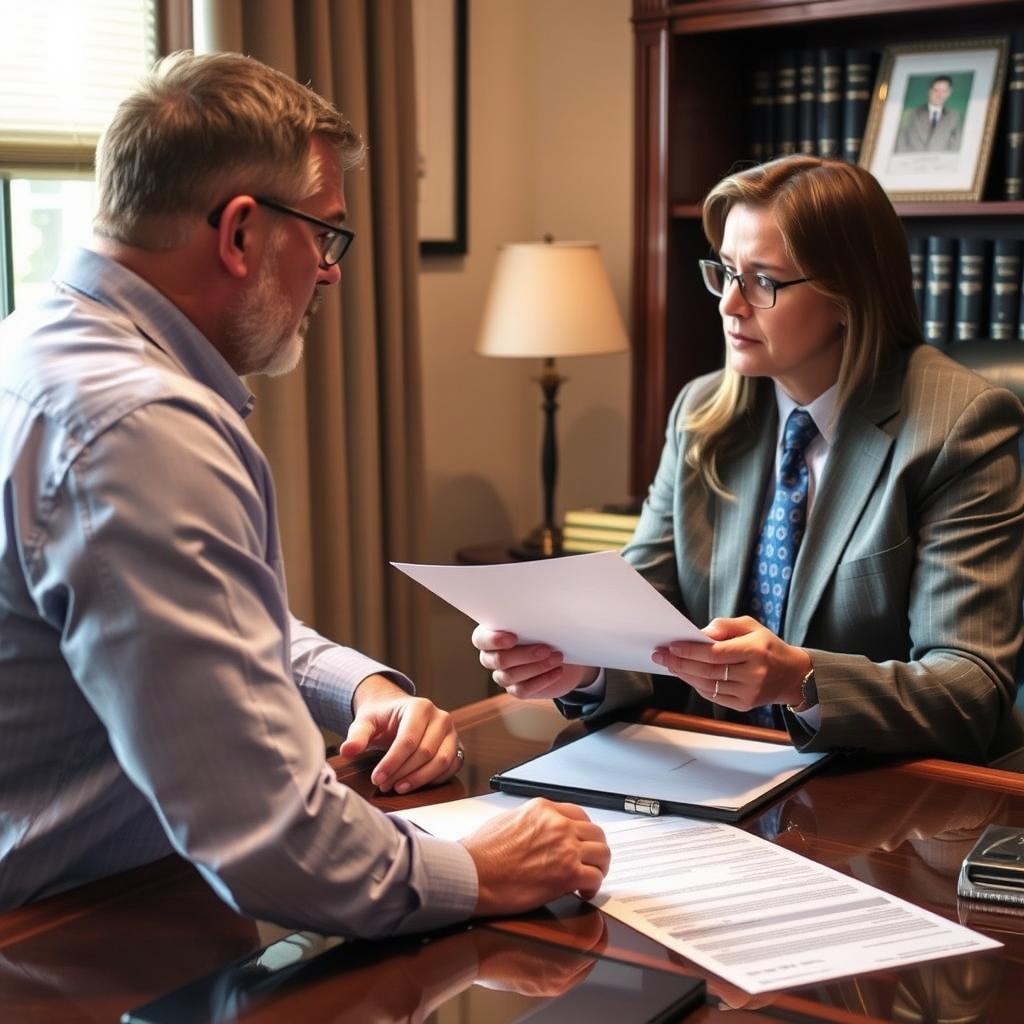
When the Patel family decided to turn their lifelong commitment to education into a lasting charitable legacy in York County, they realized the road from philanthropic vision to a legally sound foundation was filled with unfamiliar tax rules, governance structures, and filing requirements. They needed a lawyer who could help them navigate foundation planning under Virginia law — one who could structure the vehicle correctly from the beginning and help them avoid costly mistakes. That is where Law Offices Of SRIS, P.C. Came in. Since 1997, the firm has advised families and businesses throughout Virginia, including in Yorktown, Grafton, Tabb, and Seaford. Call (888) 437-7747 to request a consultation and learn how Mr. Sris and his Of Counsel can assist with foundation planning in York County. Law Offices Of SRIS, P.C. – Advocacy Without Borders.
Understanding Foundation Planning Options in Virginia
Foundation planning means more than simply writing a check to a favorite cause. It involves selecting the right legal structure — a private foundation, a charitable trust, a donor-advised fund, or a supporting organization — each with its own tax treatment, governance obligations, and degree of ongoing control. The choice depends on your philanthropic goals, the size of the assets you intend to commit, and how you want your family involved over time. Mr. Sris and his Of Counsel help York County clients evaluate these vehicles against their personal and financial circumstances, so the final structure aligns with both their charitable intent and their estate-planning objectives.
Virginia law recognizes charitable trusts under the Virginia Uniform Trust Code (Va. Code § 64.2-700 et seq.) and provides a framework for nonprofit corporations through the State Corporation Commission. A private foundation is typically organized as a nonprofit corporation that applies for tax-exempt status under Internal Revenue Code Section 501(c)(3). Each structure carries distinct advantages: a charitable remainder trust, for example, can generate income for the donor during life while funding a charity at the donor’s death; a donor-advised fund offers simplicity and lower administrative costs. Mr. Sris and his Of Counsel walk you through these trade-offs in plain language, helping you understand the practical consequences of each choice before you commit.
What to Expect When You Work With Mr. Sris and His Of Counsel on Foundation Planning
The process begins with a consultation — either by phone or at the firm’s Richmond Location — during which Mr. Sris and his Of Counsel learn about your philanthropic goals, the assets you wish to dedicate, and your preferences for family involvement. After that initial conversation, they analyze which charitable vehicle best meets your objectives and consider how the foundation interacts with your broader estate plan. The team then drafts the necessary formation documents: articles of incorporation, bylaws, trust instruments, and policies required to maintain tax-exempt status. Once the entity is formed, they guide you through the application for recognition of exemption with the IRS and the registration process with the Virginia Department of Agriculture and Consumer Services, if applicable. While the timeline varies by case complexity and government processing, the firm stays with you through each stage, from the initial concept to the receipt of a favorable determination letter. Throughout the engagement, Mr. Sris and his Of Counsel remain available to answer questions and help you meet ongoing compliance obligations.
Legal and Tax Risks in Foundation Planning
Even well-intentioned charitable foundations can run afoul of federal tax law if they are not structured and operated correctly. The Internal Revenue Code imposes strict rules — often called the “private foundation excise tax” provisions — on self-dealing, excess business holdings, failure to distribute income, and jeopardizing investments. Violations can result in significant excise taxes on both the foundation and its managers, and repeated or willful misconduct can lead to loss of tax-exempt status. Additionally, a foundation’s charitable purpose must be clearly stated in its governing documents, and the foundation must comply with annual reporting and public-disclosure requirements. On the Virginia side, the Attorney General’s Office has oversight authority over charitable assets, and a foundation that breaches its fiduciary duties may be subject to court intervention. Mr. Sris and his Of Counsel work to build compliance into the foundation’s structure from the start, so you can pursue your charitable mission with confidence.
About Mr. Sris and His Of Counsel Team
Mr. Sris, Owner and Founder of Law Offices Of SRIS, P.C., is a former prosecutor who has practiced law since 1997. He is admitted in Virginia, Maryland, the District of Columbia, New Jersey, and New York, giving the firm a broad geographic reach that includes York County. Mr. Sris testified before the Virginia House Courts of Justice Committee in support of 2019 HB 635 (chief patron Del. David Bulova). His background in complex litigation and multi-state practice informs the firm’s approach to foundation planning — paying careful attention to the interplay of state trust law, federal tax law, and the client’s long-term objectives. Mr. Sris and his Of Counsel bring over 120 years of combined legal experience and have achieved over 4,739+ documented firm-wide results in trust and estate matters. Results may vary.
All non‑Sris attorneys serve as Of Counsel to the firm, engaged through Excella. This structure allows the firm to assemble the precise experience a matter requires without the overhead of a traditional partnership. Every engagement is overseen by Mr. Sris, ensuring that foundation planning clients in York County receive consistent, high-level guidance.
Frequently Asked Questions About Foundation Planning in York County
What is foundation planning?
Foundation planning is the process of selecting and structuring a charitable vehicle — such as a private foundation, charitable trust, or donor-advised fund — to accomplish specific philanthropic goals in a tax-efficient manner. In Virginia, foundation planning intersects with the Virginia Uniform Trust Code, nonprofit corporation law, and federal Internal Revenue Code rules governing tax-exempt organizations. A properly planned foundation can support causes you care about, involve your family in charitable giving, and reduce your taxable estate. The choice of entity affects governance, administrative costs, and the degree of ongoing control you retain.
Do I need a lawyer to set up a charitable foundation in Virginia?
You are not legally required to hire a lawyer to create a foundation, but the tax and governance rules are so detailed that professional guidance is strongly advisable. Mistakes in formation documents, governing instruments, or the application for recognition of exemption can result in IRS audits, excise taxes, or loss of tax-exempt status. An experienced foundation planning attorney, working with your accountant and financial advisor, can help you avoid these pitfalls and ensure your foundation meets both state and federal requirements from the start.
How does foundation planning differ from basic estate planning?
Foundation planning focuses on the charitable component of your legacy, while estate planning addresses the full disposition of your assets — including non-charitable distributions to family members. Foundation planning often involves specialized entities such as charitable remainder trusts, charitable lead trusts, or private foundations, which have distinct tax attributes. A comprehensive estate plan may incorporate a charitable giving strategy that reduces estate tax exposure and fulfills philanthropic intent, but the two disciplines are coordinated rather than interchangeable.
What are the tax advantages of a charitable foundation or trust?
A properly structured charitable vehicle can generate an immediate income-tax deduction for contributions, remove assets from your taxable estate, and allow the assets to grow tax-free within the foundation or trust. The federal estate tax exemption amount for 2026 is $15,000,000 per individual, and with portability, $30,000,000 per married couple. Charitable giving can reduce a taxable estate and lower or eliminate federal estate tax. Additionally, contributions to a private foundation or donor-advised fund are deductible to the extent allowed by the Internal Revenue Code, subject to percentage‑of‑income limitations. Virginia imposes no state estate tax, so planning focuses primarily on federal tax consequences.
How long does it take to establish a foundation in York County?
The timeline varies by case complexity, government processing times, and the type of charitable vehicle selected. Drafting the formation documents and preparing the tax‑exemption application may take weeks or longer, depending on the level of detail required. The IRS review of a Form 1023 or Form 1023‑EZ can add several months to the process. Once approved, the foundation must register with the appropriate state agencies and begin complying with annual reporting requirements. Starting early allows a foundation to be operational when you are ready to begin giving.
How does Mr. Sris and his Of Counsel approach foundation planning?
Mr. Sris and his Of Counsel take a goal‑driven approach: they start by understanding your charitable vision, then design a structure that fulfills that vision while maintaining full legal compliance. The firm works collaboratively with your other professional advisors — CPA, financial planner, development consultant — to coordinate the foundation with your broader estate and tax plan. Because the firm’s attorneys are admitted in multiple states, they can address any multi‑state issues that arise, such as the choice of domicile for a charitable trust or the implications of Virginia’s unique trust‑code provisions. For a consultation, reach Mr. Sris and his Of Counsel at (888) 437-7747.
Request a Consultation
If you are ready to explore foundation planning in York County, contact Law Offices Of SRIS, P.C. Call (888) 437-7747 toll‑free to schedule a consultation. The firm’s Richmond Location serves clients throughout York County, including Yorktown, Grafton, Tabb, and Seaford. Appointments are available by phone or in person at:
Richmond Location7400 Beaufont Springs Drive, Suite 300, Room 395
Richmond, VA 23225
(804) 201-9009
For a full statutory breakdown of Virginia foundation planning law, see our comprehensive analysis on srislawyer.com.
Official Legal and Tax Resources
For additional reference, the following primary sources govern foundation planning in Virginia:
- Virginia Code Title 64.2 (Wills, Trusts, and Fiduciaries)
- IRS Charities and Nonprofits
- York County Circuit Court
Attorney advertising. Prior results do not guarantee a similar outcome.
Law Offices Of SRIS, P.C. · Founded 1997 · (888) 437-7747
Case results depend on a variety of factors unique to each case.