
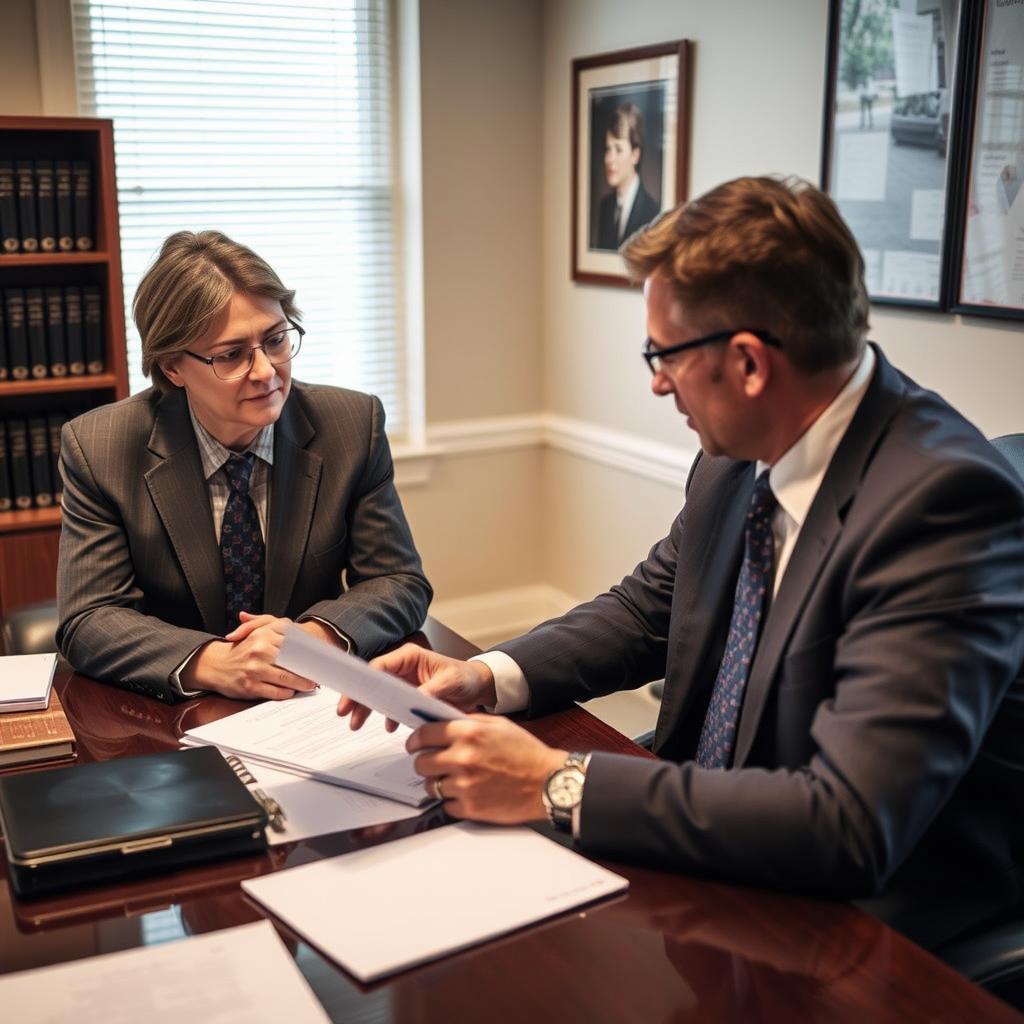
Adultery Divorce Lawyer Gloucester County, VA
When adultery enters a marriage, it changes the legal landscape of a divorce in Virginia. In Gloucester County, a spouse who proves adultery under Va. Code § 20-91(1) may seek a divorce without waiting through a lengthy separation period, and the fault finding can influence property division and spousal support. Law Offices Of SRIS, P.C. represents clients throughout Gloucester County—including Gloucester and Gloucester Point—in adultery-based divorce cases. Mr. Sris, a former prosecutor and Owner and Founder of the firm, works alongside his Of Counsel team to handle the sensitive evidentiary and procedural matters these cases demand. If you are considering a divorce on the ground of adultery or need to respond to such a claim, schedule a consultation by calling (888) 437-7747. Law Offices Of SRIS, P.C. – Advocacy Without Borders.
What Adultery Divorce Means in Gloucester County, Virginia
Virginia recognizes adultery as a fault-based ground for divorce from the bond of matrimony. Under Va. Code § 20-91(1), a party may file for divorce if the other spouse has committed adultery, and there is no mandatory separation waiting period—unlike the six-month or one-year separation required for no-fault divorce. Adultery must be proven by clear and convincing evidence, which may include testimony, documentary records, or circumstantial proof. Because the Gloucester County Circuit Court has exclusive jurisdiction over divorce cases, any complaint alleging adultery is filed at 7400 Justice Drive, Room 102, Gloucester, VA 23061. Matters related to custody, child support, and protective orders arising from the same family situation are heard in the Gloucester County Juvenile and Domestic Relations District Court.
An adultery finding can affect more than the timing of the divorce. Virginia is an equitable distribution state, and under Va. Code § 20-107.3, the court considers the circumstances that contributed to the dissolution of the marriage, which may include marital misconduct. Adultery can weigh against the offending spouse when the court divides marital property, potentially resulting in a less favorable distribution. Additionally, a spouse who commits adultery may be barred from receiving spousal support under Va. Code § 20-107.1, unless good cause is shown. Mr. Sris and his Of Counsel bring extensive combined legal experience to adultery divorce cases in Gloucester County. Results may vary.
How Mr. Sris and His Of Counsel Handle Adultery Divorce Cases
Adultery divorce cases require careful preparation because the burden of proof is high. Mr. Sris and his Of Counsel work with clients to identify admissible evidence—such as communications, financial records, or testimony from witnesses—that meets Virginia’s evidentiary standards. We prepare a complaint for divorce setting forth the grounds, file it in the Gloucester County Circuit Court, and serve the opposing party. If the defendant contests the adultery allegation, the case proceeds through discovery and, if necessary, a trial where the evidence is presented. Throughout the process, we handle the sensitive nature of these allegations with professionalism and discretion.
For clients who are accused of adultery, our team examines the accuser’s proof for weaknesses, evaluates procedural compliance, and presents any rebuttal evidence. Sometimes adultery allegations are withdrawn or modified after a thorough review. Negotiated settlements remain possible in many cases, even when fault is alleged, allowing both parties to avoid a public trial. Mr. Sris and his Of Counsel also address related issues such as equitable distribution, spousal support, child custody, and child support, ensuring that the adultery allegation is properly situated within the broader family law context.
About Mr. Sris and His Of Counsel Team
Mr. Sris is a former prosecutor and Owner and Founder of Law Offices Of SRIS, P.C. He practices across five jurisdictions—Virginia, Maryland, the District of Columbia, New Jersey, and New York—and has concentrated on family law matters since founding the firm in 1997. His background as a former prosecutor provides insight into evidence gathering, witness examination, and courtroom presentation that is directly applicable to fault-based divorce cases. Mr. Sris testified before the Virginia House Courts of Justice Committee in support of 2019 HB 635 (chief patron Del. David Bulova), a bill that revised Virginia’s equitable distribution statute.
Mr. Sris is joined by an Of Counsel team that includes attorneys with extensive backgrounds in family law, litigation, and related fields. Together, they bring extensive combined legal experience to Gloucester County adultery divorce matters. The team appears regularly in the Gloucester County Circuit Court and Juvenile and Domestic Relations District Court, and is familiar with local procedures and judicial practices. Every client receives focused attention from Mr. Sris and his Of Counsel, who collaborate to build a thorough case strategy.
Frequently Asked Questions
Can I get a divorce immediately if my spouse committed adultery?
Yes, adultery is a fault ground that allows you to file for divorce without any mandatory separation period in Virginia. Under Va. Code § 20-91(1), a spouse may file for divorce when the other spouse has committed adultery. Unlike no-fault divorce, which requires six months or one year of separation, an adultery-based divorce can proceed as soon as the complaint is filed. However, the court requires clear and convincing evidence of the adultery; a mere suspicion is not enough. The case is filed in Gloucester County Circuit Court. Even if the adultery is proven, other issues such as property division and child custody still need to be resolved, which may extend the overall timeline.
How does adultery affect property division in Gloucester County?
Adultery can influence how marital property is divided under Virginia’s equitable distribution statute. Virginia is an equitable distribution state, not a community property state. Under Va. Code § 20-107.3, the court considers eleven factors when dividing marital assets and debts, including the circumstances that contributed to the dissolution of the marriage. If adultery significantly contributed to the breakdown of the marriage, the court may award a greater share of the marital estate to the innocent spouse. This outcome is not automatic; the judge has broad discretion. Separate property, such as assets owned before the marriage, is generally not divided, regardless of fault.
What if I am accused of adultery but did not commit it?
You have the right to contest an adultery allegation and demand clear and convincing proof. The accusing spouse bears a high burden of proof. If you are falsely accused, Mr. Sris and his Of Counsel will work to challenge the evidence and protect your rights. Evidence of adultery must meet Virginia’s evidentiary standards and may be rebutted through cross-examination, contradictory testimony, or procedural challenges. A false allegation may also affect custody or support determinations if the court finds the accusation was made in bad faith. You should not concede to an unproven allegation without consulting an experienced attorney.
Does adultery impact child custody decisions?
Adultery alone does not automatically affect custody, but it can be relevant if it impacts the child’s best interests. Under Va. Code § 20-124.3, custody is decided based on ten statutory factors that focus on the child’s wellbeing, relationship with each parent, and each parent’s ability to meet the child’s needs. The court may consider a parent’s conduct only if it directly affects the child. If the adultery involved exposing the child to inappropriate circumstances, it could influence custody or visitation. Otherwise, custody is determined independently of marital fault. Gloucester County Juvenile and Domestic Relations District Court handles standalone custody matters, while custody within a divorce is part of the Circuit Court case.
Can a spouse receive spousal support after committing adultery?
Generally, a spouse who committed adultery is barred from receiving spousal support unless an exception applies. Virginia law, specifically Va. Code § 20-107.1, prohibits an adulterous spouse from receiving spousal support unless the court finds a manifest injustice would result from denying support. For example, if the innocent spouse condoned the adultery or if the denial would cause extreme financial hardship, the court may grant limited support. The bar applies only to the spouse who committed the adultery. The innocent spouse remains eligible to seek spousal support regardless.
Why should I hire an attorney for an adultery divorce in Gloucester County?
Adultery divorce cases involve higher evidentiary standards and can affect property division and spousal support, making legal guidance critical. Without an experienced attorney, you may fail to present or challenge evidence properly, risking an unfavorable outcome in court. Mr. Sris and his Of Counsel understand Virginia’s adultery divorce procedures, from filing the complaint to presenting proof at trial in the Gloucester County Circuit Court. They also negotiate settlements when appropriate, striving to resolve matters without a public trial. To discuss your situation, call (888) 437-7747 for a consultation.
Related Family Law Services
Visit our other Virginia family law pages for more resources:
Fairfax County Family Law Lawyer ·
Fairfax (City) Family Law Lawyer ·
Falls Church (City) Family Law Lawyer ·
Prince William County Family Law Lawyer ·
Manassas (City) Family Law Lawyer
Official Virginia Resources
For primary source information, consult these government websites:
Virginia Code Title 20 – Domestic Relations ·
Virginia Circuit Courts ·
Virginia Judicial System
Attorney advertising. Prior results do not guarantee a similar outcome.
Results may vary.
Case results depend on a variety of factors unique to each case.