
Note: This article is confirmed by Law Offices Of SRIS, P.C.
WRITTEN BY: Mr. Sris
Since 1997, Mr. Sris has led the firm, focusing on the most challenging criminal and family law cases… His background in accounting and information management aids in financial and technology-related cases… Involved in significant legislative changes in Virginia.
Insight: My focus since founding the firm in 1997 has always been directed towards personally handling the most challenging and involved criminal and family law matters our clients face.
Insight: I find my background in accounting and information management provides a unique advantage when handling the intricate financial and technological aspects inherent in many modern legal cases.
Insight: As someone deeply involved in the community, I believe it’s important to not only practice law but also to actively participate in shaping it, which is why I dedicated effort towards amending Virginia Code § 20-107.3 and achieving state recognition for cultural milestones.
Grandparent Custody Lawyer Henrico VA
What is Grandparent Custody in Virginia
Grandparent custody cases involve legal proceedings where grandparents request formal custody rights from Virginia courts. These situations typically emerge when parents face challenges that prevent them from providing adequate care for their children. Common circumstances include parental substance abuse, incarceration, mental health issues, or abandonment. Virginia law recognizes that grandparents can serve as important caregivers when parents cannot fulfill their responsibilities.
The legal process begins with filing a petition in the appropriate Virginia court. Grandparents must establish standing, meaning they have the legal right to request custody. Virginia law provides specific criteria for standing, including situations where the child has lived with the grandparent for a substantial period or when parents are unfit or unavailable. Documentation and evidence play important roles in demonstrating these circumstances to the court.
Developing effective legal arguments requires thorough preparation. Grandparents should gather evidence showing their relationship with the child, their ability to provide care, and the reasons parental custody is not suitable. This may include medical records, school reports, witness statements, and documentation of parental issues. The court examines all evidence to determine what arrangement serves the child’s best interests.
Professional insight emphasizes that each case presents unique factors. Courts consider the child’s age, preferences (if appropriate), existing relationships, and the grandparents’ capacity to meet the child’s needs. The legal standard focuses on maintaining stability and continuity in the child’s life. Successful cases often demonstrate how grandparent custody preserves important family connections while ensuring proper care.
How to Pursue Grandparent Custody in Henrico
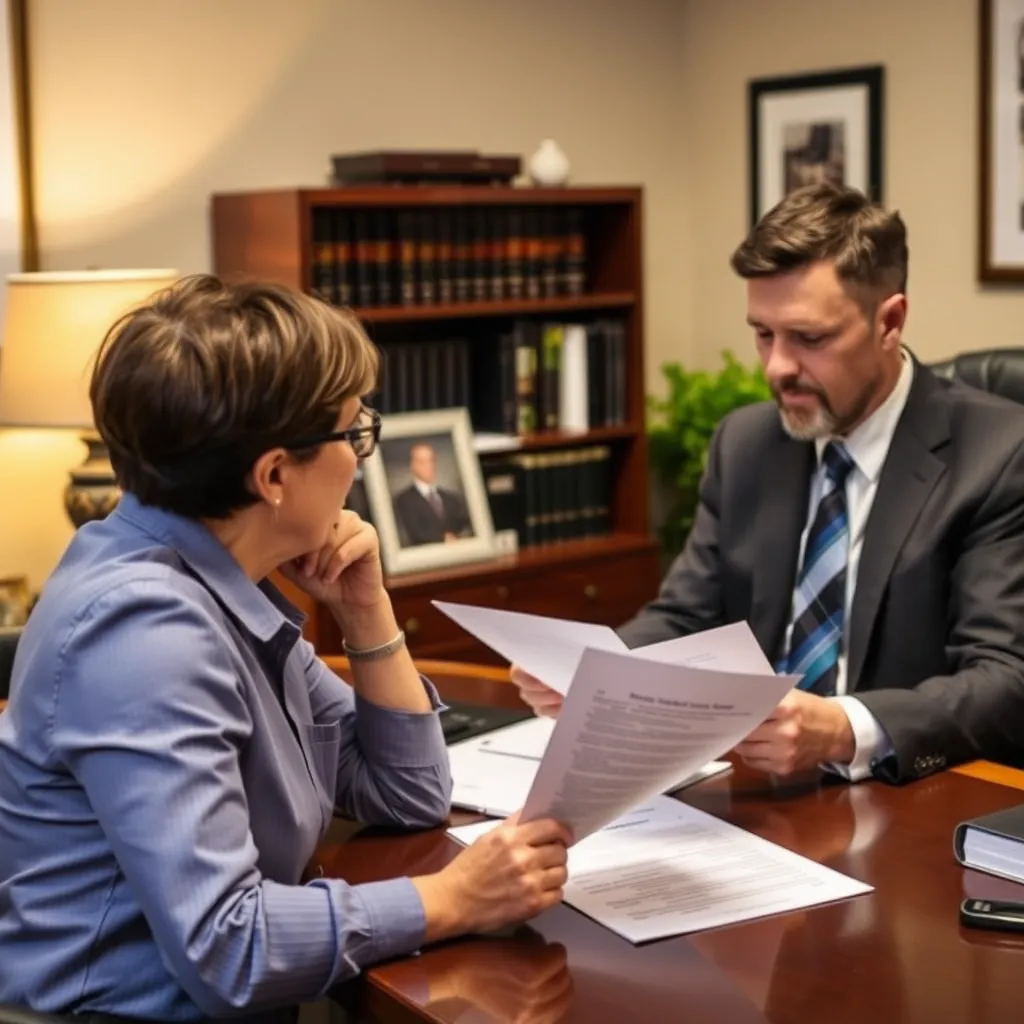
The first step in pursuing grandparent custody involves consultation with legal counsel. During this meeting, grandparents discuss their situation, the child’s circumstances, and any existing concerns about parental care. The lawyer evaluates whether the case meets Virginia’s legal requirements for grandparent custody. This assessment considers factors like the child’s current living situation, parental issues, and the grandparents’ relationship with the child.
Action steps include gathering necessary documentation and evidence. This process involves collecting records that demonstrate parental challenges, such as substance abuse treatment records, criminal history, or mental health documentation. Grandparents should also compile evidence of their own caregiving capacity, including financial stability, suitable housing, and their existing relationship with the child. School records, medical information, and character references can support the case.
The legal process requires filing a petition with the Henrico County Juvenile and Domestic Relations District Court. This formal document outlines the request for custody and the reasons supporting it. The petition must include specific information about the child, parents, grandparents, and the circumstances justifying custody changes. Proper service of legal documents to all involved parties ensures everyone receives notice of the proceedings.
Court hearings provide opportunities to present evidence and arguments. Grandparents and their lawyers prepare for these proceedings by organizing documentation, identifying witnesses, and developing legal strategies. The court considers all presented information to make decisions about custody arrangements. Throughout this process, maintaining focus on the child’s welfare remains the central consideration.
Can I Obtain Custody as a Grandparent in Virginia
Virginia law permits grandparents to seek custody when specific conditions exist. The primary consideration involves parental capacity to provide proper care. Courts examine whether parents can meet the child’s basic needs for safety, shelter, education, and emotional support. When parents demonstrate inability or unwillingness to fulfill these responsibilities, grandparents may have grounds to request custody.
The legal standard focuses on the child’s best interests. This broad concept includes factors like the child’s physical and emotional needs, existing family relationships, and stability considerations. Grandparents must show how their custody would benefit the child compared to remaining with parents or other arrangements. Evidence might include documentation of parental neglect, abuse, substance issues, or abandonment.
Defense options for parents facing grandparent custody petitions involve demonstrating their capacity to provide care. Parents may present evidence of rehabilitation efforts, improved circumstances, or alternative support systems. The court weighs all information to determine the most appropriate custody arrangement. In some cases, temporary or supervised arrangements might be considered before making permanent decisions.
Professional insight notes that successful cases often involve clear documentation of parental challenges. Medical records, police reports, social services documentation, and witness testimony can establish patterns of concern. Grandparents should also demonstrate their own stability and commitment to the child’s wellbeing. The court’s decision ultimately rests on what arrangement best protects the child’s welfare.
Why Hire Legal Help for Grandparent Custody Matters
Legal representation offers several advantages in grandparent custody cases. Lawyers understand Virginia’s specific statutes and case law governing these matters. This knowledge helps grandparents evaluate their situation accurately and understand what evidence courts typically require. Legal counsel can identify potential strengths and weaknesses in a case, allowing for better preparation and strategy development.
The process of developing effective legal arguments benefits from professional experience. Lawyers know how to present evidence persuasively, question witnesses effectively, and address legal standards properly. They can help gather and organize documentation, identify relevant witnesses, and prepare for court appearances. This professional handling increases the likelihood of presenting a compelling case to the court.
Managing court procedures requires understanding of local rules and practices. Henrico County courts have specific requirements for filing documents, serving parties, and scheduling hearings. Lawyers familiar with these procedures can ensure all steps are completed correctly and timely. This attention to procedural details prevents delays or technical problems that could affect the case.
Professional insight emphasizes the emotional nature of these cases. Lawyers provide objective perspective while addressing legal requirements. They can help grandparents maintain focus on the child’s needs while advocating for appropriate custody arrangements. This balanced approach considers both legal standards and family dynamics to seek outcomes that serve the child’s welfare.
FAQ:
What legal standards apply to grandparent custody in Virginia?
Virginia law requires showing parental unfitness or absence and demonstrating custody serves the child’s best interests. Evidence must support these requirements.
How long does the grandparent custody process typically take?
The timeline varies based on case specifics and court schedules. Most cases require several months from initial filing to final decision.
What evidence helps support a grandparent custody case?
Documentation of parental issues, records of grandparent caregiving, and evidence of the child’s needs can support custody requests.
Can grandparents get temporary custody while the case proceeds?
Courts may grant temporary arrangements if immediate concerns exist about the child’s safety or welfare during proceedings.
What happens if parents oppose grandparent custody?
Parents can present their own evidence and arguments. The court considers all information to determine the appropriate custody arrangement.
Are there alternatives to full custody for grandparents?
Visitation rights or shared custody arrangements might be options depending on the specific circumstances and family situation.
What costs are involved in grandparent custody cases?
Costs include court fees, legal representation expenses, and potential costs for evaluations or attorney assessments if needed.
How do courts determine the child’s best interests?
Courts consider factors like safety, stability, emotional needs, existing relationships, and the child’s preferences when appropriate.
Can grandparents seek custody if parents are still involved?
Yes, if parents cannot provide proper care despite involvement. The focus remains on the child’s welfare and needs.
What if the child has been living with grandparents already?
Existing caregiving arrangements can support custody requests, particularly if they have provided stability for the child.
Do grandparents need legal representation for these cases?
While not legally required, representation helps manage involved procedures and present evidence effectively in court.
How can grandparents prepare for custody proceedings?
Gather documentation, maintain records of caregiving, and consult with legal counsel to understand requirements and options.
Past results do not predict future outcomes