
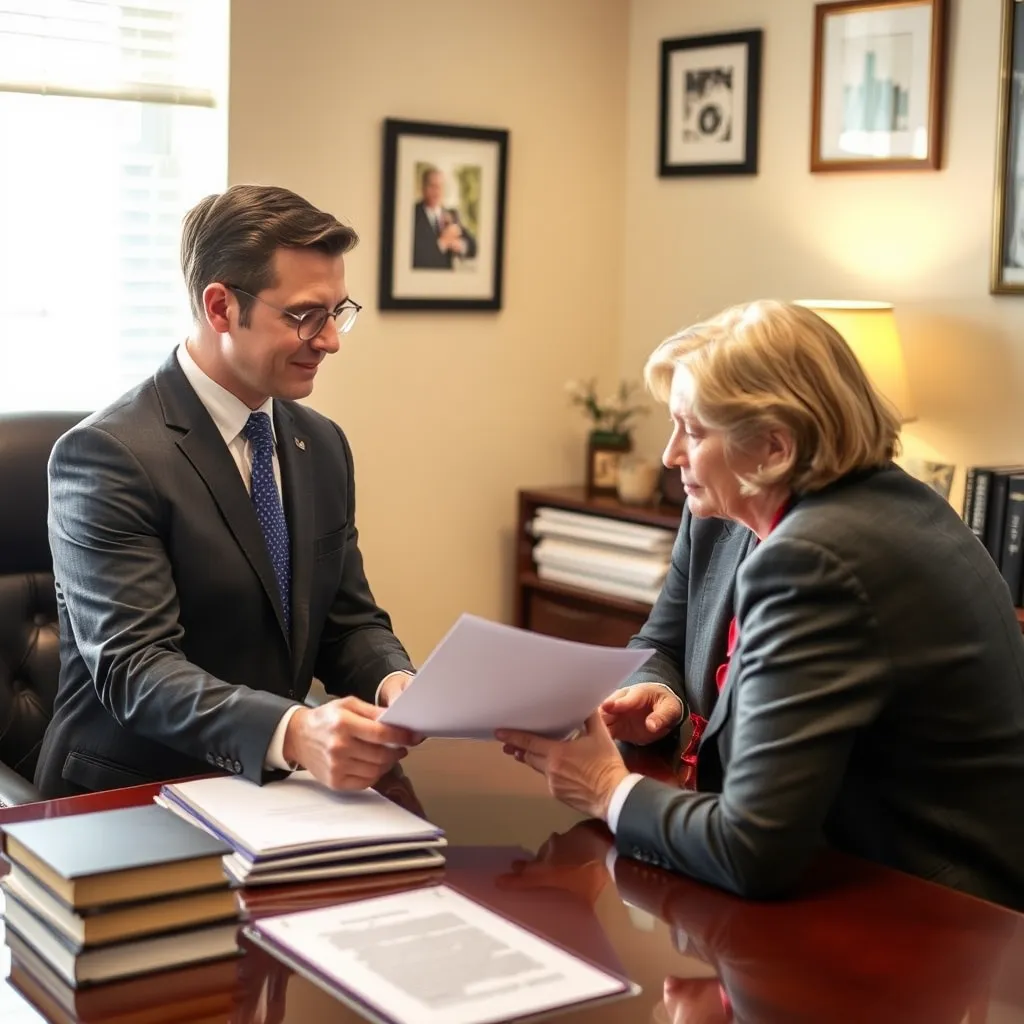
Adultery Divorce Lawyer Poquoson, VA
When a marriage ends because one spouse engaged in an extramarital relationship, Virginia law treats the matter differently from a no‑fault separation. Adultery is a fault‑based ground for divorce under Va. Code § 20‑91(1), and it carries no mandatory separation period before filing. In Poquoson, a small independent city on the Chesapeake Bay, divorce cases are heard in the Poquoson Circuit Court at 500 City Hall Avenue, while related custody and support matters proceed in the Poquoson Juvenile and Domestic Relations District Court. Our Richmond location regularly appears in those courts, representing clients who need to establish adultery as a ground for divorce or who face an allegation of adultery. Because the outcome can directly affect property division, spousal support, and child-related decisions, understanding the local procedural landscape matters. Mr. Sris and his Of Counsel bring that understanding to every Poquoson adultery case. For a consultation, reach Law Offices Of SRIS, P.C. at (888) 437‑7747. Law Offices Of SRIS, P.C. — Advocacy Without Borders.
What Adultery Divorce Means in Poquoson, Virginia
Virginia is an equitable‑distribution state, not a community‑property state. When a divorce is granted on the ground of adultery, the court may take the adulterous conduct into account when dividing marital property and deciding whether to award spousal support. Under Va. Code § 20‑107.3, the judge weighs factors that include the circumstances and factors that contributed to the dissolution of the marriage — adultery can be a central factor. It can also affect the timing of the case: because adultery is a fault ground, a spouse who proves adultery may file immediately; no period of separation is required, unlike the one‑year or six‑month separation required for a no‑fault divorce.
In Poquoson, the Circuit Court handles all divorce complaints, including those based on adultery. The courthouse, at 500 City Hall Avenue, sits near landmarks such as Poquoson City Hall and the Poquoson Museum. The court operates within the Eighth Judicial District, and family‑law cases are subject to the same procedural rules that govern the rest of Virginia — a complaint is filed, service is made on the other spouse, and contested matters may proceed through discovery and trial. While the statutory framework is statewide, local practices — such as scheduling preferences and the way the court handles corroborating‑witness requirements — can shape the trajectory of a case. Mr. Sris and his Of Counsel appear regularly in the Poquoson courts and can address those local nuances.
How Mr. Sris and His Of Counsel Handle Adultery Divorce Cases
Every adultery divorce matter starts with a detailed consultation. Mr. Sris and his Of Counsel review the facts that might establish — or refute — the adultery claim, because Virginia courts require clear and convincing evidence. The team then develops a strategy tailored to the client’s goals: some clients want to move quickly to dissolve the marriage on fault grounds, while others need to defend against a spouse’s allegation and protect their own property or parental‑rights interests.
Once a complaint is filed in the Poquoson Circuit Court, the process includes gathering evidence, responding to discovery requests, and possibly negotiating a separation agreement that may resolve issues without a full trial. If the matter cannot be settled, Mr. Sris and his Of Counsel prepare the case for trial, which includes presenting testimony from witnesses who can corroborate the adultery and handling cross‑examination of the other side’s evidence. Mediation is available but not mandatory in Virginia, and many clients benefit from attempting a negotiated resolution before going to a contested hearing. Throughout the process, the team aims to protect the client’s financial and parental interests while moving toward a final decree that the Poquoson court can enter.
About Mr. Sris and His Of Counsel Team
Mr. Sris, Owner and Founder of Law Offices Of SRIS, P.C., has practiced since 1997. He is a former prosecutor whose trial experience informs how he approaches family‑law litigation. He is admitted in Virginia, Maryland, the District of Columbia, New Jersey, and New York. Mr. Sris testified before the Virginia House Courts of Justice Committee in support of 2019 HB 635 (chief patron Del. David Bulova), which amended Virginia’s equitable‑distribution statute. His Of Counsel — engaged through Excella — include attorneys with deep backgrounds in family law, criminal defense, and former law‑enforcement service. Together, Mr. Sris and his Of Counsel bring over 120 years of combined legal experience, supported by over 4,739+ documented firm-wide results. Results may vary.
Frequently Asked Questions
What is an adultery divorce in Virginia?
An adultery divorce is a fault‑based dissolution of marriage granted when one spouse proves the other engaged in voluntary sexual intercourse with someone outside the marriage. Adultery is a ground for divorce under Va. Code § 20‑91(1) and, unlike no‑fault separation, imposes no waiting period. The spouse seeking the divorce must present clear and convincing evidence, which often includes testimony from a third‑party witness who can corroborate the affair. Because adultery can affect property division and spousal support, the evidentiary demands are higher than in a consent‑based divorce. A Poquoson Circuit Court judge will weigh the credibility of the evidence and decide whether the ground has been proved.
How does adultery affect property division in a Virginia divorce?
Adultery may influence the court’s equitable distribution of marital assets, particularly if the adulterous conduct wasted marital funds or was a substantial factor in the breakdown of the marriage. Virginia is an equitable‑distribution state under Va. Code § 20‑107.3, meaning property is divided fairly, not necessarily equally. A judge may award a larger share to the innocent spouse if the adultery had an economic impact — for example, if marital money was spent on the affair. However, the court does not automatically strip the adulterous spouse of all property; the decision is fact‑specific. Mr. Sris and his Of Counsel can help clients present the financial consequences of adultery to the court.
Can adultery affect child custody decisions?
Adultery, by itself, does not determine custody in Virginia; custody is decided based on the best interests of the child. Under Va. Code § 20‑124.3, the court considers ten factors, including the child’s relationship with each parent and any history of family abuse. An extramarital affair becomes relevant only if it had a negative impact on the child — for example, if the adulterous parent exposed the child to an unsafe situation or neglected parental responsibilities. The Poquoson Juvenile and Domestic Relations District Court handles standalone custody matters; in a divorce case, the Poquoson Circuit Court may also address custody. The focus remains on the child’s wellbeing, not punishing the parent.
What must I prove to obtain a divorce on the ground of adultery?
You must prove, by clear and convincing evidence, that your spouse had voluntary sexual intercourse with someone other than you during the marriage. Direct evidence — such as a spouse’s admission or a photograph — is persuasive, but circumstantial evidence can also meet the standard if it establishes both an opportunity for the affair and a disposition to commit adultery. Virginia courts typically require corroboration from an independent witness who can testify to the facts. An experienced family‑law attorney can assess whether the available evidence is sufficient and, if necessary, help obtain additional documentation or testimony before filing in the Poquoson Circuit Court.
Do I need an attorney for an adultery divorce in Poquoson?
You are not legally required to hire an attorney, but the legal and evidentiary demands of an adultery case make experienced representation important. Proving adultery requires presenting evidence that meets a heightened standard, handling discovery, and complying with the Poquoson courts’ procedural rules. Going through the process without counsel can expose you to mistakes that affect property, support, and custody outcomes. Mr. Sris and his Of Counsel can help gather evidence, prepare the complaint, and present the case in a way that protects your interests. To discuss your situation, reach Law Offices Of SRIS, P.C. at (888) 437‑7747.
How does the adultery divorce process work in Poquoson?
The process begins with filing a complaint in the Poquoson Circuit Court, after which the case moves through stages of service, possible pendente lite relief, discovery, and either settlement or trial. Once the complaint is filed, the other spouse must be served and has time to respond. During the pendency of the case, either party can ask the court for temporary orders regarding custody, support, or exclusive use of the marital home. Discovery allows both sides to exchange evidence about the adultery claim and related financial issues. Many cases resolve through a separation agreement without trial, but when a contested hearing is necessary, the Poquoson court schedules it according to its own calendar. Mr. Sris and his Of Counsel guide clients through each stage, aiming for a resolution that minimizes conflict and safeguards future rights.
Fairfax County family law attorney · Prince William County divorce lawyer · Manassas family law representation
For additional legal authority, see: Virginia Code Title 20 — Domestic Relations · Poquoson General District Court · Virginia Judicial System
Attorney advertising. Prior results do not guarantee a similar outcome.
Results may vary.
Last reviewed: June 2026
Case results depend on a variety of factors unique to each case.