
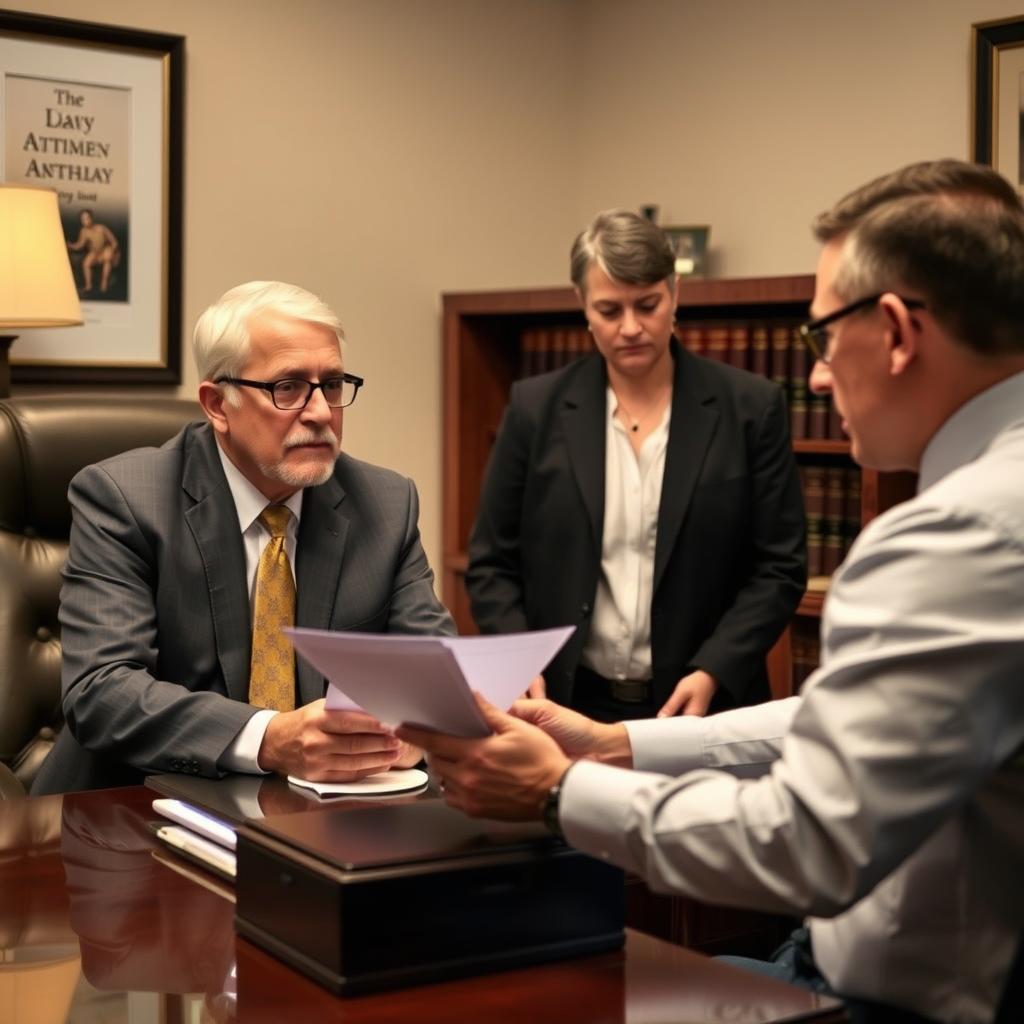
Debt Collection Lawyer Colonial Heights
You need a Debt Collection Lawyer Colonial Heights when facing aggressive creditors or lawsuits. Law Offices Of SRIS, P.C. —Advocacy Without Borders. defends Virginians against unlawful collection practices. We file counterclaims for violations of the FDCPA and Virginia state law. Our Colonial Heights Location handles cases in the Colonial Heights General District Court. Protect your rights and assets with immediate legal action. (Confirmed by SRIS, P.C.)
Statutory Definition of Debt Collection Violations
Virginia law and federal statutes define illegal debt collection conduct. The primary federal law is the Fair Debt Collection Practices Act (FDCPA). Virginia has its own Consumer Protection Act. These laws prohibit harassment, false statements, and unfair practices. A Debt Collection Lawyer Colonial Heights uses these statutes to build your defense. They can also file counter-suits against abusive collectors.
Va. Code § 18.2-213 — Harassment by Creditors — Class 1 Misdemeanor — Up to 12 months jail and $2,500 fine. This Virginia statute makes it a crime to use threats or harassment to collect a debt. It covers conduct intended to annoy, intimidate, or harass any person. The law applies to original creditors and third-party collectors. A conviction is a misdemeanor with significant penalties. This state law works alongside federal protections.
The FDCPA, 15 U.S.C. § 1692, governs third-party debt collectors. It bans calls at unreasonable hours, profane language, and false threats of legal action. Violations can result in statutory damages of up to $1,000 per action. The debtor can also recover actual damages and attorney’s fees. A creditor harassment lawyer Colonial Heights knows how to document these violations. Proper documentation is critical for a successful claim or defense.
What constitutes illegal harassment under Virginia law?
Harassment includes repeated calls intended to annoy or abuse. Va. Code § 18.2-213 defines criminal harassment for debt collection. This includes threats of violence, use of obscene language, and anonymous calls. Calling before 8 a.m. or after 9 p.m. is often considered harassment. A debt collector defense lawyer Colonial Heights reviews call logs and correspondence. This evidence forms the basis for a criminal complaint or civil suit.
Can a creditor sue me in Colonial Heights?
Yes, a creditor can file a lawsuit in Colonial Heights General District Court. The court has jurisdiction over claims up to $25,000. The creditor must file a Warrant in Debt or a Civil Claim. You will receive a summons with a court date. You must file a written answer or appear in court by that date. Failure to respond results in a default judgment against you.
What is the statute of limitations for debt in Virginia?
The statute of limitations for most written contracts in Virginia is five years. This period is defined under Va. Code § 8.01-246(2). The clock starts from the date of your last payment or acknowledgment of the debt. If the statute has expired, it is an absolute defense to a lawsuit. A collector who sues on time-barred debt violates the FDCPA. A lawyer can file a motion to dismiss the case. Learn more about Virginia legal services.
The Insider Procedural Edge in Colonial Heights Court
Colonial Heights General District Court is located at 401 Temple Avenue, Colonial Heights, VA 23834. This court handles all civil debt collection cases under $25,000. The clerk’s Location is in Room 101. Filing a response is your first critical step. The procedural timeline is strict and unforgiving. You have 21 days from service to file an answer or grounds of defense.
The filing fee for a defendant’s answer is typically $12. You may also request a bill of particulars from the plaintiff. This demands they detail the debt’s origin and amount. Colonial Heights judges expect proper documentation from both sides. They review affidavits of account and debt ownership chains. Appearing without prepared evidence weakens your position significantly.
Procedural specifics for Colonial Heights are reviewed during a Consultation by appointment at our Colonial Heights Location. The court docket moves quickly on civil claim days. Many cases are heard in a single morning session. Being prepared with motions and evidence is non-negotiable. A local debt collection attorney knows the clerks and judges. This familiarity helps handle procedural hurdles efficiently.
What is the timeline for a debt collection lawsuit?
You have 21 days to respond after being served with a lawsuit. The initial court date is usually set 30-60 days after filing. If you contest the debt, a trial may be scheduled 60-90 days later. A creditor can request a default judgment immediately after the 21-day window. Post-judgment, they can move to garnish wages or bank accounts within days. Acting immediately upon service is the only way to stop this process.
How much does it cost to hire a debt collection lawyer?
Legal fees vary based on case complexity and whether you are defending or suing. Many attorneys offer flat fees for drafting answers and representing you in court. Contingency fees are common for filing FDCPA counterclaims against collectors. The collector may be ordered to pay your attorney’s fees if you win. SRIS, P.C. provides a clear fee structure during your initial consultation. The cost of inaction—a judgment and garnishment—is always higher. Learn more about criminal defense representation.
Penalties & Defense Strategies for Debt Cases
The most common penalty is a monetary judgment leading to wage garnishment. A court judgment allows the creditor to collect the debt plus interest and costs. They can garnish up to 25% of your disposable earnings under Virginia law. They can also levy your bank account. A strategic defense can prevent or vacate this judgment.
| Offense / Outcome | Penalty | Notes |
|---|---|---|
| Default Judgment | Full debt amount + interest + court costs | Issued if you fail to answer lawsuit. |
| Wage Garnishment | Up to 25% of disposable earnings | Requires a separate garnishment summons after judgment. |
| Bank Account Levy | Freeze and seizure of funds up to judgment amount | Exemptions exist for certain benefits (Social Security, VA). |
| FDCPA Violation (Collector) | Up to $1,000 statutory damages + your attorney’s fees | You can sue the collector for illegal tactics. |
| Va. Harassment Conviction | Up to 12 months jail, $2,500 fine | Criminal charge against the individual collector. |
[Insider Insight] Colonial Heights prosecutors and judges take creditor harassment seriously when presented with clear evidence. Document every call, save all letters, and note dates and times. A well-documented log of abusive calls can support a criminal complaint under Va. Code § 18.2-213. It also forms the basis for a strong FDCPA counterclaim in civil court. Presenting this evidence early can lead to favorable settlements.
Defense strategies begin with verifying the debt and the plaintiff’s right to sue. Demand validation of the debt as your first step under the FDCPA. Challenge the chain of ownership if the debt was sold. Assert the statute of limitations if applicable. File counterclaims for any FDCPA or Virginia Consumer Protection Act violations. A debt collector defense lawyer Colonial Heights implements these tactics to apply pressure.
What defenses stop a wage garnishment?
Claiming statutory exemptions is the primary defense to a wage garnishment. Virginia law protects the first $1,000 in your bank account from most creditors. Social Security, disability, and veteran benefits are also exempt from garnishment. You must file a written claim of exemption with the court. The burden is on you to prove the funds are exempt. A lawyer ensures the proper forms and evidence are filed on time.
How does a judgment affect my credit score?
A civil judgment for debt is reported to credit bureaus and remains for seven years. It severely damages your credit score, often by 100 points or more. It becomes a public record that future lenders and landlords will see. The judgment allows the creditor to place a lien on real property you own in Virginia. Satisfying the judgment does not remove it from your report immediately. You may need a lawyer to negotiate a “pay for delete” or vacate the judgment. Learn more about DUI defense services.
Why Hire SRIS, P.C. for Your Debt Collection Case
Our lead attorney for consumer defense in Colonial Heights is a seasoned litigator with over a decade of Virginia court experience. He knows the tactics of national collection agencies and local creditors. He has successfully defended hundreds of Virginians against unjust claims. His approach is direct and focused on protecting your income and assets.
Attorney Profile: Our Colonial Heights consumer law attorney has a proven record challenging debt buyers. He focuses on procedural defenses and affirmative counterclaims under the FDCPA. He has secured dismissals and favorable settlements by attacking flawed documentation. He understands the local court’s preferences for evidence presentation.
SRIS, P.C. has a dedicated team for debt collection defense across Virginia. Our Colonial Heights Location is staffed to handle cases filed in the local court. We review every collection letter, summons, and credit report entry. We identify violations that turn a defense into a counterattack. Our goal is not just to stop collection but to seek damages for illegal conduct.
We have achieved numerous case results for clients in Colonial Heights and the surrounding region. These include motions to dismiss for lack of standing, negotiated settlements for pennies on the dollar, and successful counter-suits for FDCPA violations. We treat each case with the urgency it demands. Your financial stability requires immediate and assertive legal action.
Localized FAQs for Colonial Heights Residents
What should I do if a debt collector sues me in Colonial Heights?
File a written answer or grounds of defense with the Colonial Heights General District Court clerk within 21 days. Do not ignore the summons. Contact a debt collection lawyer immediately to review the suit’s validity and your defenses. Learn more about our experienced legal team.
Can a debt collector take my Social Security benefits?
No, federal law exempts Social Security benefits from garnishment by most private creditors. If these benefits are deposited in your bank account, you must file an exemption claim to protect them from a levy.
How long can a debt collector try to collect in Virginia?
They can attempt to collect indefinitely, but the right to sue expires after the statute of limitations. For most consumer debts in Virginia, this is five years from the last payment or acknowledgment.
What is the most common FDCPA violation?
Threatening legal action they do not intend to take or cannot legally take is a common violation. This includes threatening a lawsuit on a time-barred debt or threatening arrest for non-payment of a civil debt.
Should I talk to a debt collector who calls me?
You can request they communicate only in writing. This creates a paper trail. Do not admit the debt is yours or promise a payment you cannot make. Simply state you are consulting with an attorney and hang up.
Proximity, Call to Action & Essential Disclaimer
Our Colonial Heights Location is strategically positioned to serve clients throughout the city and surrounding counties. We are easily accessible for meetings and court appearances. Colonial Heights General District Court is a short drive from our Location.
If you are facing aggressive debt collection or a lawsuit, time is your most limited resource. Consultation by appointment. Call 888-437-7747. 24/7.
Law Offices Of SRIS, P.C. —Advocacy Without Borders.
NAP: SRIS, P.C., Colonial Heights, Virginia.
Past results do not predict future outcomes.