
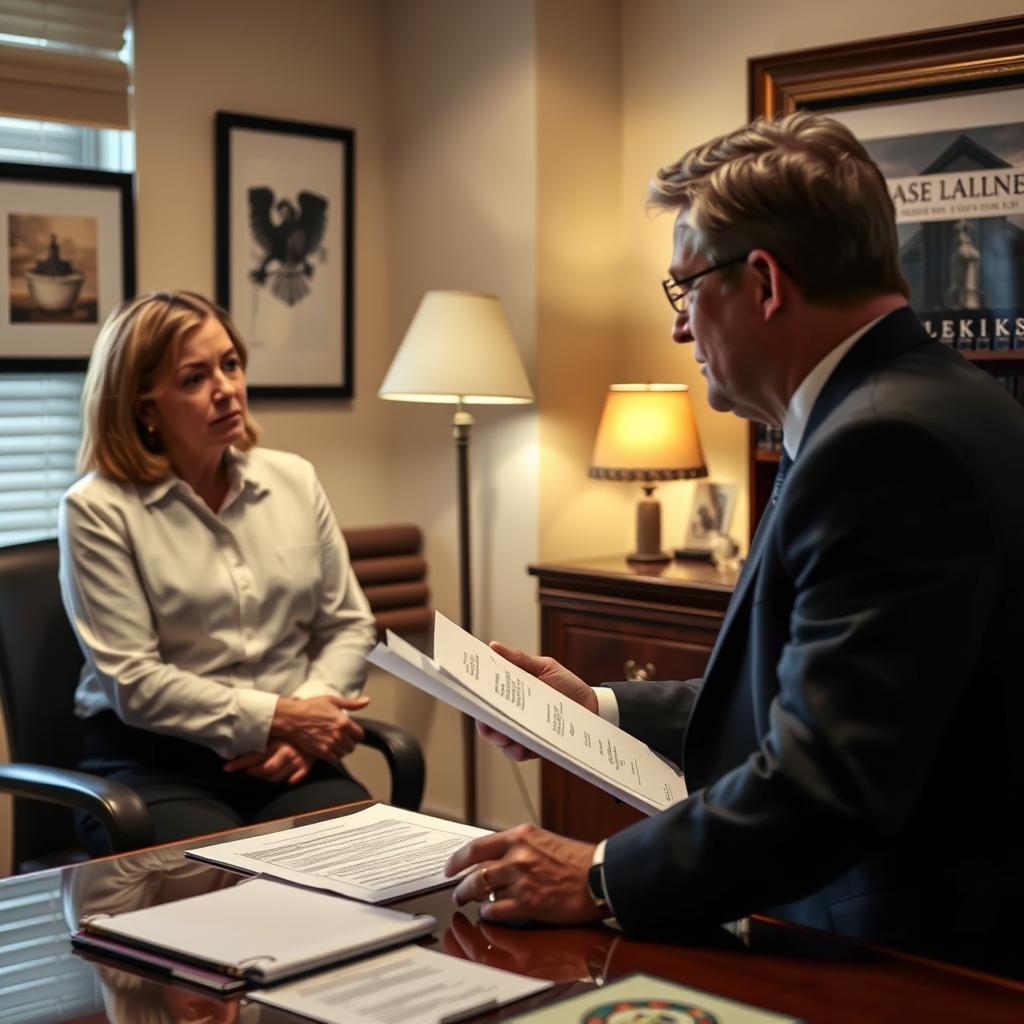
False Claims lawyer Chesapeake, VA
Under 18 U.S.C. § 287, knowingly presenting a false or fraudulent claim to the federal government is a felony offense punishable by up to five years in prison. The criminal provision is part of the broader federal False Claims Act, which also imposes civil liability through treble damages and per‑claim fines under 31 U.S.C. § 3729. For individuals and businesses in Chesapeake, Virginia, a federal false‑claims investigation or indictment can lead to proceedings in the U.S. District Court for the Eastern District of Virginia, where the U.S. Attorney’s Office prosecutes these matters with extensive investigative resources. The stakes are high — federal conviction rates exceed ninety percent, and the federal system does not offer parole. Law Offices Of SRIS, P.C. represents clients facing false‑claims allegations in federal court. To request a consultation, call (888) 437‑7747. Law Offices Of SRIS, P.C. – Advocacy Without Borders.
What Federal False Claims Charges Mean in Chesapeake, VA
Federal false‑claims prosecutions in the Chesapeake area typically fall under the jurisdiction of the U.S. District Court for the Eastern District of Virginia, with its Norfolk Division located at 600 Granby Street. The EDVA is widely known for its efficient docket and rigorous case management, which means defense counsel must be prepared for a fast‑moving proceeding. Because the charges involve fraud against the government, the U.S. Attorney’s Office often works in coordination with agencies such as the Department of Health and Human Services Office of Inspector General, the Department of Defense, or the FBI, depending on the nature of the alleged scheme.
For a Chesapeake resident, a federal criminal charge may involve claims submitted to Medicare, Medicaid, TRICARE, or other federally funded programs. The government’s theory often centers on allegations of billing for services not rendered, upcoding, or submitting false certifications. Unlike a state‑court case, a federal indictment requires a grand‑jury finding of probable cause, and pretrial release decisions are governed by the Bail Reform Act, which can result in stringent conditions or, in some cases, detention. The absence of parole means that any term of imprisonment will be served nearly in full, with only limited good‑time credits available. Mr. Sris and the firm’s Of Counsel attorneys appear in the EDVA and understand the local procedural expectations that shape an effective defense.
How Mr. Sris and the Firm’s Of Counsel Attorneys Handle False Claims Cases
Every false‑claims defense begins with a thorough review of the government’s allegations and the underlying documentary record. The firm’s approach in federal False Claims Act matters includes examining whether the government can prove each element of the offense under 18 U.S.C. § 287 — namely, that the defendant knowingly presented a materially false or fraudulent claim to a department or agency of the United States. Often, the case turns on the question of knowledge: did the defendant act with the requisite intent, or were the disputed claims the product of mistake, ambiguity in billing regulations, or reliance on professional advice? The firm works to identify weaknesses in the government’s proof, to test the admissibility of key documents, and to explore whether a negotiated resolution before trial serves the client’s interests.
If the government has already obtained an indictment, the case proceeds through initial appearance, arraignment, and discovery under the Federal Rules of Criminal Procedure. The firm’s attorneys review grand‑jury materials, file appropriate motions, and, where necessary, retain forensic accounting or industry‑practice attorneys to challenge the government’s financial analysis. Federal sentencing in the EDVA follows the U.S. Sentencing Guidelines, which calculate a recommended range based on the amount of loss and other offense characteristics. The firm advocates for downward departures or variances — for example, by demonstrating acceptance of responsibility, lack of sophistication, or a minimal role in the alleged scheme — all of which can materially reduce the guideline range. Throughout the process, the goal is to protect the client’s liberty, profession, and reputation.
About Mr. Sris and the Firm’s Of Counsel Attorneys
Mr. Sris, Owner and Founder of Law Offices Of SRIS, P.C., established the firm in 1997 and has practiced criminal defense in Virginia and four other jurisdictions for his entire career. A former prosecutor, he brings firsthand insight into how the government builds a fraud case and what evidentiary hurdles the prosecution must clear to obtain a conviction. Mr. Sris testified before the Virginia House Courts of Justice Committee in support of 2019 HB 635 (chief patron Del. David Bulova). He is admitted in Virginia, Maryland, the District of Columbia, New Jersey, and New York.
The firm’s Of Counsel attorneys contribute additional experience in federal criminal procedure, sentencing advocacy, and white‑collar litigation. Together, Mr. Sris and the firm’s Of Counsel attorneys bring extensive combined legal experience. Results may vary. The firm’s Richmond Location, at 7400 Beaufont Springs Drive, Suite 300, Room 395, Richmond, VA 23225, serves clients in Chesapeake and across Hampton Roads. To schedule a consultation, call (888) 437‑7747.
Frequently Asked Questions About False Claims Charges in Chesapeake, VA
What is the federal False Claims Act?
The federal False Claims Act, codified at 31 U.S.C. § 3729, imposes civil liability and treble damages for knowingly submitting false claims for government payment, while 18 U.S.C. § 287 criminalizes the same conduct. The criminal provision is a felony, and each false claim can constitute a separate count. The law reaches a broad range of federally funded programs, from Medicare and Medicaid to defense contracts, agricultural subsidies, and housing assistance. Investigations are often complex and may involve multiple agencies, which makes early legal guidance important.
How does a Chesapeake false claims lawyer defend against these charges?
Defending a federal false‑claims case in Chesapeake often involves challenging the government’s evidence of intent, questioning the materiality of the alleged misrepresentations, and scrutinizing whether the billing or certification complied with applicable regulations. A defense may also show that the defendant acted in good‑faith reliance on legal or industry guidance, or that any errors were inadvertent rather than knowing. In many cases, focusing on the loss‑calculation methodology can reduce the sentencing exposure even if the government secures a conviction. The firm tailors each defense to the specific facts and the requirements of the U.S. District Court for the Eastern District of Virginia.
What are the penalties for federal false claims in Virginia?
Under 18 U.S.C. § 287, a criminal conviction for presenting a false claim can result in up to five years of imprisonment and a substantial fine. Additionally, because the conviction falls under the federal sentencing guidelines, the actual sentence is influenced by the amount of the intended loss, the offender’s role, and whether any aggravating factors apply. Civil enforcement under the False Claims Act can impose treble damages plus a per‑claim penalty of several thousand dollars, even if no criminal charges are brought. There is no parole in the federal system, making the defense of these charges especially urgent.
What should I do if I am under investigation for false claims in Chesapeake?
If you become aware of a federal false‑claims investigation — for example, through a subpoena, a search warrant, or a target letter — you should immediately retain experienced federal criminal counsel and refrain from speaking with investigators until your attorney is present. Do not destroy documents or discuss the matter with colleagues, as obstruction‑of‑justice charges can compound the situation. Preserve all records and provide them to your lawyer, who can begin evaluating potential defenses and, when appropriate, engage with the U.S. Attorney’s Office to seek a declination or a pre‑indictment resolution. For guidance on your specific situation, reach Law Offices Of SRIS, P.C. at (888) 437‑7747.
Do I need a lawyer for false claims charges?
Yes — federal false‑claims charges carry serious consequences, and the government will be represented by experienced prosecutors with substantial resources. An attorney can help you understand the charges, assess the strength of the government’s case, and develop a strategy that may include pretrial motions, negotiation, or trial. Self‑representation in federal court is extremely risky, particularly in a document‑heavy fraud case where procedural mistakes can waive important rights. To discuss the details of your matter, contact Law Offices Of SRIS, P.C. at (888) 437‑7747.
How do federal sentencing guidelines affect false claims cases?
Under the U.S. Sentencing Guidelines, the primary driver of a false‑claims sentence is the amount of loss, which can significantly increase the advisory range even for a first‑time offender. Other factors, such as the use of sophisticated means, a leadership role, or the abuse of a position of trust, can further raise the guideline calculation. However, the guidelines also permit reductions for acceptance of responsibility and, in rare cases, a downward departure for substantial assistance to the government. Because the guidelines are advisory after United States v. Booker, the court retains discretion to impose a sentence outside the advisory range if warranted by the circumstances. For a consultation, reach Mr. Sris and the firm’s Of Counsel attorneys at (888) 437‑7747.
Related pages for further reading:
Fairfax County Federal Criminal Lawyer |
Prince William County Federal Criminal Lawyer |
Manassas Federal Criminal Lawyer |
Falls Church Federal Criminal Lawyer |
Fairfax City Federal Criminal Lawyer
Additional resources:
U.S. District Court for the Eastern District of Virginia —
18 U.S.C. § 287 (false claims, criminal) —
Department of Justice – False Claims Act Overview
Last reviewed: July 2026
Attorney advertising. Prior results do not guarantee a similar outcome. Case results depend on a variety of factors unique to each case. Results may vary.