
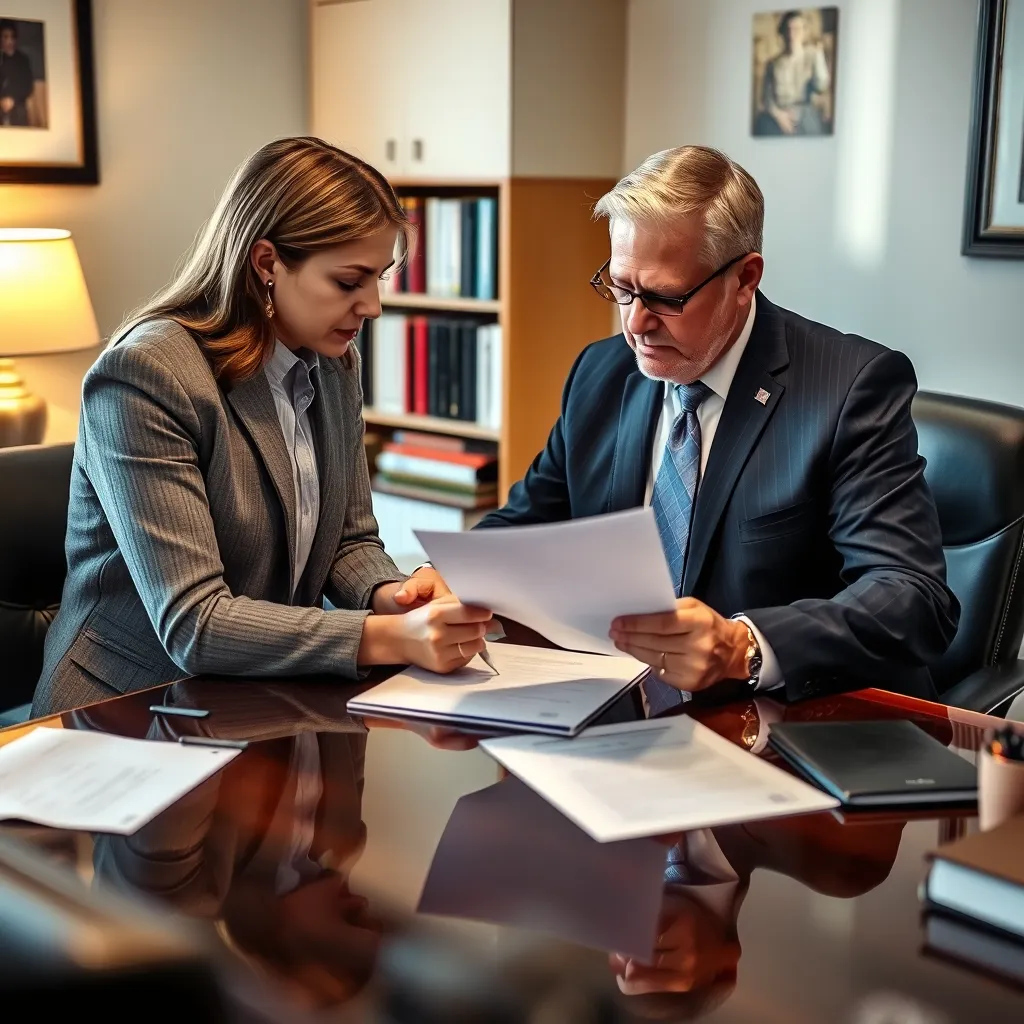
Family Law Lawyer Chesapeake, VA
Family law matters in Chesapeake, Virginia, involve sensitive and often complex issues that affect every member of a household. Whether you are considering divorce, need to establish child custody, or seek a modification of support, having a clear understanding of how Virginia law applies in the First Judicial District is essential. Law Offices Of SRIS, P.C. provides experienced representation to individuals throughout Chesapeake, Deep Creek, Great Bridge, and Greenbrier. Mr. Sris, Owner and Founder of the firm, is a former prosecutor who brings a practical perspective to family law disputes. The firm’s attorneys appear regularly in the Chesapeake Circuit Court and the Chesapeake Juvenile & Domestic Relations District Court. Reach Law Offices Of SRIS, P.C. at (888) 437-7747 to schedule a consultation. Law Offices Of SRIS, P.C. – Advocacy Without Borders.
What Family Law Means in Chesapeake, Virginia
Chesapeake is an independent city located within the First Judicial District of Virginia. Family law cases here are divided between two courts: the Chesapeake Circuit Court, which handles divorce, equitable distribution of marital property, and spousal support, and the Chesapeake Juvenile & Domestic Relations District Court, which addresses custody, visitation, child support, and protective orders. Both courts operate from the same building at 307 Albemarle Drive, Chesapeake, VA 23322, under the direction of the Honorable Michael R. Katchmark. While the court’s docket management influences how quickly a matter proceeds, the substantive law applied is drawn from the Virginia Code.
Virginia is an equitable distribution state, not a community property state. Under Va. Code § 20‑107.3, marital property is divided fairly—but not necessarily equally—based on eleven statutory factors. These include each spouse’s contribution to the family, the duration of the marriage, and the circumstances that led to its dissolution. Separate property, such as assets owned before the marriage or received as gifts or inheritances, is generally not subject to division. Grounds for divorce are set out in Va. Code § 20‑91. A no‑fault divorce is available after a separation period of one year, or after six months if there are no minor children and the parties have signed a written separation agreement. Fault‑based grounds—including adultery, cruelty, desertion, and felony conviction—are also recognized, and adultery, if proved, may eliminate the waiting period entirely. Residency requirements under Va. Code § 20‑97 mandate that at least one spouse has been a domiciliary and resident of Virginia for six months before filing.
Chesapeake’s location in Hampton Roads means many families have ties to military service, government contractors, and port‑related industries. Matters that involve military pensions, security clearances, or international relocation often require coordination with federal law and a thorough understanding of Virginia’s equitable distribution framework. Mr. Sris and his Of Counsel have experience in handling complex property division, including business valuations and retirement assets, as well as international child custody disputes where one parent may have ties outside the United States.
How Mr. Sris and His Of Counsel Handle Family Law Cases in Chesapeake
Family law representation at Law Offices Of SRIS, P.C. begins with a thorough evaluation of the client’s objectives and the specific factual and legal landscape. Mr. Sris, who founded the firm in 1997, personally oversees case strategy and works closely with a team of experienced Of Counsel attorneys. The team’s approach is tailored to the circumstances of each matter, whether the goal is to negotiate a comprehensive separation agreement, to litigate contested custody, or to enforce an existing support order.
For divorce cases filed in Chesapeake Circuit Court, the firm prepares and files a Complaint for Divorce, addresses pendente lite matters such as temporary support and exclusive use of the family home, and develops a plan for discovery and valuation of assets. In custody and support disputes heard in the Chesapeake Juvenile & Domestic Relations District Court, the focus is on the statutory best‑interest factors (Va. Code § 20‑124.3) and the child support guidelines (Va. Code § 20‑108.1). The timeline of any case depends on the court’s calendar, the complexity of the issues, and the willingness of the parties to cooperate, but the firm’s attorneys are prepared to pursue resolution through negotiation, mediation, or trial as the situation requires.
About Mr. Sris and His Of Counsel Team
Mr. Sris, Owner and Founder of Law Offices Of SRIS, P.C., is admitted to practice in Virginia, Maryland, the District of Columbia, New Jersey, and New York. A former prosecutor, he brings a distinctive perspective to family law disputes, including an understanding of how criminal charges—such as domestic assault or violations of protective orders—can intersect with divorce and custody proceedings. Mr. Sris testified before the Virginia House Courts of Justice Committee in support of 2019 HB 635 (chief patron Del. David Bulova), a bill that revised the equitable distribution statute (Va. Code § 20‑107.3).
Mr. Sris and his Of Counsel bring extensive combined legal experience to family law matters. The team includes attorneys who have served as a former Virginia State Trooper and a former Maryland Assistant State’s Attorney, and who collectively understand the law‑enforcement and prosecutorial aspects that can influence a family law case. Every Of Counsel attorney is engaged through Excella and works under Mr. Sris’s direction. The firm serves clients in Chesapeake from its Virginia locations; consultations are by appointment. Results may vary.
Frequently Asked Questions
How long does a divorce take in Chesapeake, Virginia?
The length of a divorce in Chesapeake depends primarily on whether it is contested and the applicable separation period. An uncontested divorce where the parties have a signed separation agreement and no minor children may be finalized after a six‑month separation, while a one‑year separation is required if there are minor children. After the separation period expires, the court process itself can take several months, depending on the court’s docket. Contested divorces involving custody, support, or property division can extend considerably longer. The timeline is always driven by the unique facts of each case and the scheduling of the Chesapeake Circuit Court. For an estimate based on your circumstances, reach Law Offices Of SRIS, P.C. at (888) 437-7747.
How is child custody decided in Chesapeake?
Custody and visitation in Chesapeake are determined by applying the trusted‑interests‑of‑the‑child factors listed at Va. Code § 20‑124.3. Those ten factors include the age and health of the child and each parent, the child’s relationship with siblings and other family members, each parent’s willingness to support a relationship with the other parent, and any history of family abuse. The Chesapeake Juvenile & Domestic Relations District Court decides standalone custody cases, while custody embedded in a divorce is decided by the Chesapeake Circuit Court. Judges have broad discretion, and a parenting plan that addresses the child’s educational, medical, and emotional needs is typically well‑received. For guidance on your specific situation, reach Law Offices Of SRIS, P.C. at (888) 437-7747.
What are the grounds for divorce in Virginia?
Virginia recognizes both fault‑based and no‑fault grounds for divorce under Va. Code § 20‑91. Fault grounds include adultery (which, if proven, removes any waiting period), cruelty, willful desertion for one year, and felony conviction resulting in imprisonment of more than one year. The no‑fault ground requires living separate and apart for one year, or for six months if the parties have no minor children and have entered into a written separation agreement that resolves all property, support, and custody issues. An attorney can help evaluate which ground best matches your circumstances and what evidence is required. To discuss the grounds that apply in your matter, contact Law Offices Of SRIS, P.C. at (888) 437-7747.
Is Virginia a community property state?
No, Virginia is an equitable distribution state, not a community property state. Under Va. Code § 20‑107.3, marital property is divided fairly based on eleven statutory factors, which need not result in a 50‑50 split. Separate property—assets owned before the marriage or received through gift or inheritance—is typically kept by the original owner. The Chesapeake Circuit Court handles all property division in divorce cases. Proper classification and valuation of assets, including retirement accounts, business interests, and real estate, is a critical part of the process. For a consultation about how equitable distribution may apply to your case, reach Mr. Sris and his Of Counsel at (888) 437-7747.
How much does a divorce cost in Chesapeake?
Divorce costs in Chesapeake vary widely depending on whether the case is contested and the complexity of the issues involved. Filing fees and service costs are set by the court, but the primary expense is legal representation. An uncontested divorce with a thorough separation agreement generally requires fewer attorney hours than a contested case involving custody evaluations, business valuations, or multiple hearings. Mediation costs and Guardian ad Litem fees for custody disputes are additional variables. The firm can discuss fee structures during a consultation, and many clients prefer a flat‑fee arrangement for uncontested matters. For specifics about your situation, contact Law Offices Of SRIS, P.C. at (888) 437-7747.
Explore Related Family Law Resources
Fairfax County Family Law Lawyer |
Fairfax City Family Law Attorney |
Falls Church Family Law Representation |
Prince William County Family Law Counsel |
Manassas Family Law Services
Virginia Family Law Authority
Virginia Code Title 20 (Domestic Relations) |
Chesapeake Circuit Court |
Chesapeake General District Court
Attorney advertising. Prior results do not guarantee a similar outcome. Results may vary.
Case results depend on a variety of factors unique to each case.