
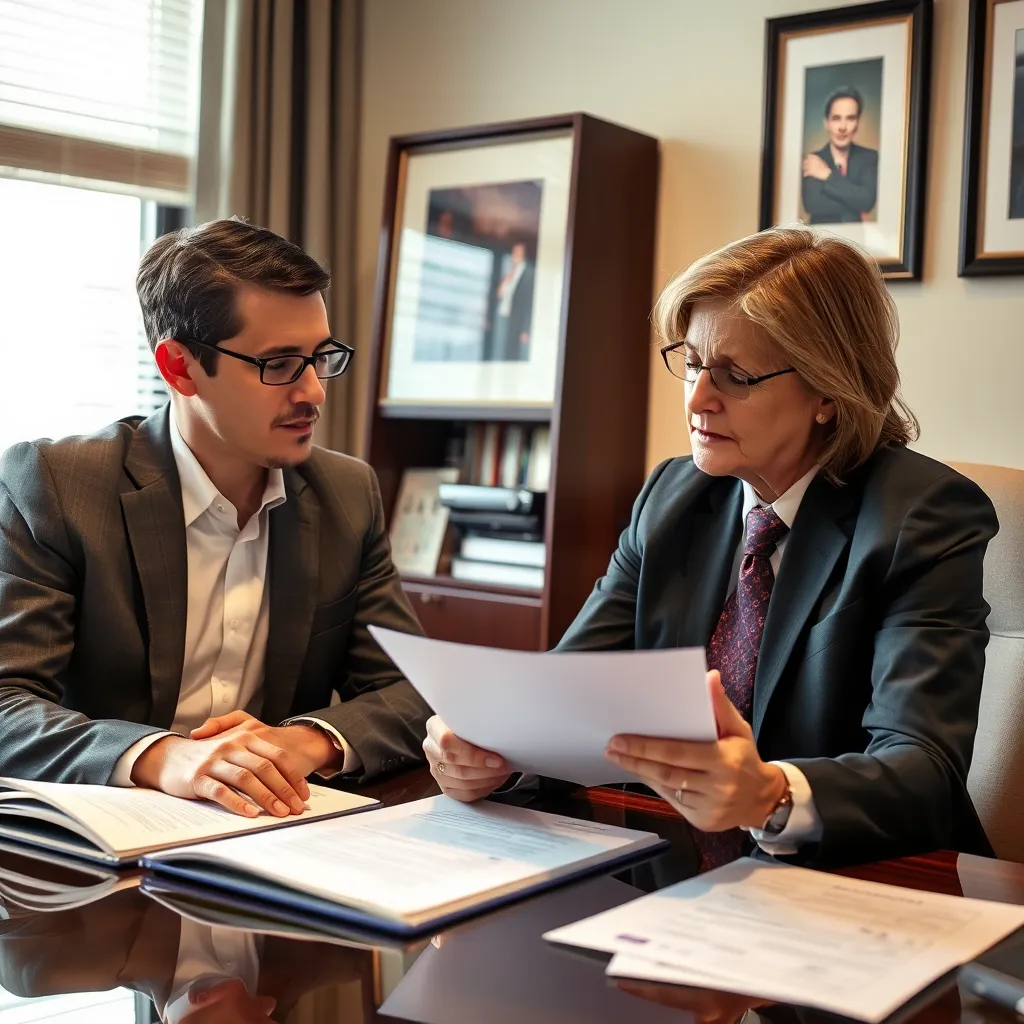
Family Law Lawyer Virginia Beach, VA
Family law matters in Virginia Beach require an understanding of the local court system and the statutory framework that governs divorce, custody, support, and property division. Law Offices Of SRIS, P.C., founded in 1997, represents clients in family law cases throughout Virginia, including those heard at the Virginia Beach Juvenile and Domestic Relations District Court and the Virginia Beach Circuit Court. Mr. Sris, Owner and Founder, leads a team of experienced Of Counsel attorneys who concentrate on family law practice. Whether your matter involves a contested divorce, a custody dispute, a separation agreement, or a modification of existing orders, our firm works to guide you through the legal process. To discuss your situation, reach our location at (888) 437-7747. Law Offices Of SRIS, P.C. — Advocacy Without Borders.
What Family Law Means in Virginia Beach
Family law encompasses the legal matters that affect domestic relationships: divorce, separation, child custody, visitation, child support, spousal support, property division, adoption, and protective orders. In Virginia Beach, these cases are heard in two distinct courts. The Virginia Beach Circuit Court, located at 2425 Nimmo Parkway, Building 10B, handles divorce, equitable distribution of marital property, and spousal support determinations. The Virginia Beach Juvenile and Domestic Relations District Court addresses standalone custody, visitation, child support, and protective orders. Both courts operate within the Fourth Judicial District of Virginia, and the Circuit Court has exclusive original jurisdiction over divorce actions under Virginia Code § 20‑96.
Virginia Beach is the largest city in Virginia by population, and its courts serve a diverse community that includes residents of Virginia Beach, Sandbridge, and Oceana. The city’s connection to the military community—Naval Air Station Oceana is located nearby—means that family law cases often intersect with federal service member protections under the Servicemembers Civil Relief Act and considerations unique to military pensions and deployments. Virginia is an equitable distribution state, meaning that marital property is divided fairly, though not necessarily equally, based on the factors set out in Virginia Code § 20‑107.3. Child custody determinations are guided by the trusted-interests factors in Virginia Code § 20‑124.3. Mr. Sris and his Of Counsel team understand how these statutes are applied in Virginia Beach and can address the procedural expectations of the local bench.
How Mr. Sris and His Of Counsel Handle Family Law Cases
Family law disputes often involve high emotions and significant financial stakes. Mr. Sris and his Of Counsel approach each matter by first understanding the client’s objectives and the factual circumstances. In a divorce, this may mean working toward a negotiated separation agreement that resolves property division, support, and custody without trial. When litigation is necessary, the firm prepares thoroughly for hearings and trial, drawing on Mr. Sris’s experience and the litigation background of the Of Counsel team.
The process typically begins with a consultation, during which the attorney reviews the client’s situation and explains the legal options. In Virginia, a divorce may proceed on no‑fault grounds after a period of separation—six months if no minor children are involved and the parties have signed a separation agreement, or one year otherwise—or on fault grounds such as adultery, cruelty, or desertion. Child custody and support issues are addressed separately, with support calculated under the statutory guidelines. Mr. Sris and his Of Counsel handle property classification and valuation, including business interests, retirement accounts, and real estate, and they work through custody disputes by focusing on the best interests of the child. The team also assists with post‑judgment modifications and enforcement actions when circumstances change. Mr. Sris testified before the Virginia House Courts of Justice Committee in support of 2019 HB 635 (chief patron Del. David Bulova), a bill that revised the equitable distribution statute—experience that informs the firm’s handling of complex property cases.
About Mr. Sris and His Of Counsel Team
Mr. Sris founded Law Offices Of SRIS, P.C. in 1997 and has since concentrated his practice on family law, criminal defense, and immigration among other areas. A former prosecutor, he brings a distinctive understanding of courtroom dynamics to his representation of clients. He is admitted in Virginia, Maryland, the District of Columbia, New Jersey, and New York, and he maintains a leadership role in the firm’s family law practice. Over more than two decades, Mr. Sris has handled complex divorce and custody matters and has testified before the Virginia House Courts of Justice Committee on legislation affecting equitable distribution.
Mr. Sris is joined by Of Counsel attorneys who have deep litigation experience and who share the firm’s commitment to client-focused representation. The team’s collective experience includes prior service as a state trooper and as a prosecutor, which provides insight into evidentiary issues and procedural strategy. Together with Mr. Sris, the Of Counsel lawyers bring over 120 years of combined legal experience and the firm has achieved 4,739+ documented firm-wide results. Results may vary. The firm serves clients throughout Virginia, including those whose matters are heard in Virginia Beach Circuit Court and the Virginia Beach Juvenile and Domestic Relations District Court. Our Richmond Location addresses client needs across the region. By-appointment consultations are available; call (888) 437-7747.
Frequently Asked Questions
What is family law in Virginia?
Family law in Virginia covers legal matters that involve domestic relationships, including divorce, child custody, child support, spousal support, property division, adoption, and protective orders. These cases are governed by the Virginia Code, particularly Title 20, and are heard in the Circuit Court or the Juvenile and Domestic Relations District Court depending on the issue. The courts apply equitable distribution principles to property division and decide custody based on the best interests of the child. An experienced family law attorney can help a person understand how these laws apply to their specific situation.
Do I need a lawyer for a family law case in Virginia Beach?
You are not required by law to hire a lawyer for a family law case, but representation can help protect your legal rights and guide you through procedural requirements. Family law matters often involve detailed financial disclosures, statutory factors that the court must consider, and complex procedural rules. A lawyer can assist with drafting and reviewing agreements, presenting evidence, and advocating for your interests in court. In Virginia Beach, the Circuit Court and the J&DR Court both have local practices, and familiarity with the court can be an advantage.
How does the court decide child custody in Virginia Beach?
The court determines child custody based on the best interests of the child, considering the ten statutory factors listed in Virginia Code § 20‑124.3. These factors include the age and health of the child and parents, each parent’s role in the child’s life, the child’s relationship with each parent, the parents’ willingness to support the child’s relationship with the other parent, and any history of family abuse. The Virginia Beach Juvenile and Domestic Relations District Court handles standalone custody cases, while custody within a divorce is addressed by the Circuit Court. The court may also order a home study or appoint a guardian ad litem to represent the child’s interests.
What is equitable distribution, and how does it affect property division in Virginia?
Equitable distribution is the method Virginia courts use to divide marital property in a divorce, aiming for a fair—though not necessarily equal—division. Under Virginia Code § 20‑107.3, the court classifies property as separate, marital, or hybrid, values it, and then divides it after considering eleven statutory factors, such as the length of the marriage, each spouse’s contributions, and the tax consequences of distribution. Separate property, such as assets owned before marriage or received by gift or inheritance, generally remains with the owning spouse. The Virginia Beach Circuit Court has jurisdiction over property division in a divorce.
What should I know about divorce in Virginia Beach?
In Virginia, a divorce may be sought on no‑fault grounds after a period of separation—six months if no minor children and a signed agreement, or one year otherwise—or on fault grounds like adultery, cruelty, or desertion. The Virginia Beach Circuit Court has exclusive jurisdiction over divorce. Before filing, at least one spouse must have been a resident and domiciliary of Virginia for at least six months. The process may involve temporary hearings for support and custody while the case is pending. Whether a divorce is contested or uncontested, the timeline varies depending on court scheduling and the complexity of the issues.
How can I reach Law Offices Of SRIS, P.C. about a family law matter?
You can request a consultation by calling (888) 437‑7747. Mr. Sris and his Of Counsel team serve clients in Virginia Beach and throughout Virginia from the firm’s Richmond Location at 7400 Beaufont Springs Drive, Suite 300, Room 395, Richmond, VA 23225. All consultations are by appointment. The firm’s attorneys are admitted in Virginia, Maryland, the District of Columbia, New Jersey, and New York, and they have handled thousands of family law cases since 1997.
Review authoritative legal sources: Virginia Code Title 20 (Domestic Relations) · Virginia Beach Circuit Court · Virginia Judicial System
Attorney advertising. Prior results do not guarantee a similar outcome. Results may vary.
Case results depend on a variety of factors unique to each case.