
Note: This article is confirmed by Law Offices Of SRIS, P.C.
AUTHOR BIO:WRITTEN BY
Since 1997, Mr. Sris has led the firm, focusing on the most challenging criminal and family law cases… His background in accounting and information management aids in financial and technology-related cases… Involved in significant legislative changes in Virginia.
Insight: My focus since founding the firm in 1997 has always been directed towards personally handling the most challenging and involved criminal and family law matters our clients face.
Insight: I find my background in accounting and information management provides a unique advantage when handling the intricate financial and technological aspects inherent in many modern legal cases.
Insight: As someone deeply involved in the community, I believe it’s important to not only practice law but also to actively participate in shaping it, which is why I dedicated effort towards amending Virginia Code § 20-107.3 and achieving state recognition for cultural milestones.
Grandparent Custody Lawyer Virginia
What is grandparents rights lawyer virginia
Grandparent custody cases in Virginia involve legal proceedings where grandparents seek primary physical or legal custody of their grandchildren. Virginia law provides specific pathways for grandparents to obtain custody, but these require meeting strict legal standards. The process begins with establishing standing – the legal right to bring a case before the court.
Virginia courts recognize several situations where grandparents may seek custody. These include cases where both parents are deceased, where parents have abandoned the child, or where the child has been living with grandparents for an extended period. The court also considers situations where granting custody to parents would harm the child’s welfare.
To pursue custody, grandparents must file a petition in the appropriate Virginia circuit court. This legal document outlines the reasons for seeking custody and provides supporting evidence. The petition must demonstrate that granting custody to grandparents serves the child’s best interests, which is the primary consideration in all Virginia custody matters.
Evidence gathering forms a vital part of the process. Grandparents need documentation showing their relationship with the child, their ability to provide care, and reasons why parental custody may not be appropriate. This can include medical records, school reports, witness statements, and documentation of the child’s living situation.
Legal representation helps grandparents handle Virginia’s custody laws effectively. Attorneys familiar with grandparent custody cases understand the specific requirements and can help present the strongest possible case. They ensure all legal procedures are followed correctly and deadlines are met.
Reality Check: Virginia courts generally prefer keeping children with parents. Grandparents must show clear reasons why parental custody would harm the child.
How to custody lawyer for grandparents virginia
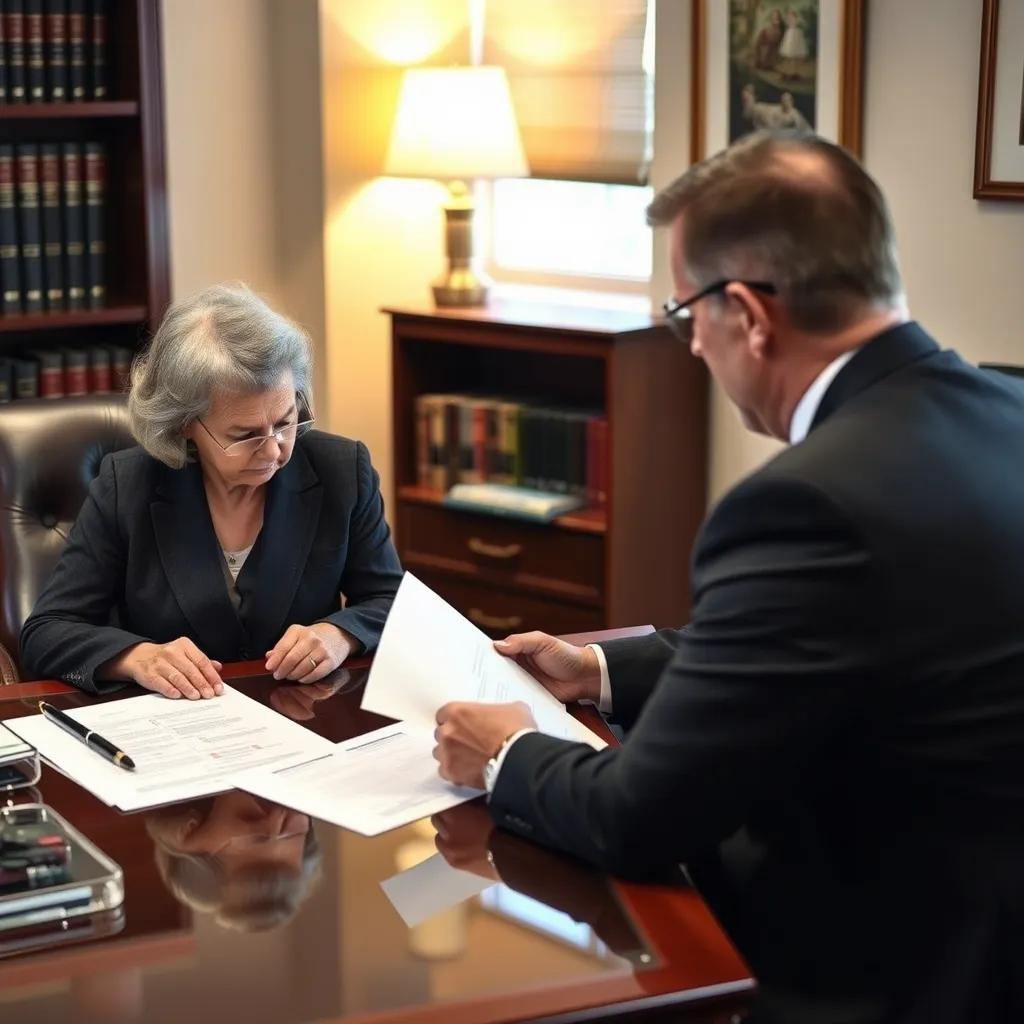
The process of working with a custody lawyer for grandparents in Virginia involves several structured steps. First, grandparents schedule an initial consultation to discuss their situation. During this meeting, the attorney evaluates the case’s merits and explains Virginia’s legal requirements for grandparent custody.
After deciding to proceed, the attorney helps gather necessary documentation. This includes evidence of the grandparent-child relationship, records of parental issues if applicable, and documentation of the grandparents’ ability to provide care. Financial records, housing information, and character references may also be collected.
The attorney then prepares and files the custody petition with the appropriate Virginia court. This legal document outlines the grounds for seeking custody and requests specific relief from the court. The petition must comply with Virginia’s formatting requirements and include all necessary information.
Once filed, the attorney manages the court process. This includes serving legal documents to required parties, preparing for hearings, and representing grandparents in court proceedings. The attorney may also engage in settlement discussions with other parties involved in the case.
During court hearings, the attorney presents evidence supporting the grandparents’ petition. This can include witness testimony, documentary evidence, and attorney opinions when appropriate. The attorney argues why granting custody to grandparents serves the child’s best interests under Virginia law.
The attorney also helps address any counter-arguments from parents or other parties. They prepare responses to objections and develop strategies to overcome legal challenges. Throughout the process, the attorney keeps grandparents informed about case developments and court requirements.
Straight Talk: Custody cases take time and require substantial evidence. Be prepared for multiple court appearances and detailed documentation requirements.
Can I grandparent visitation attorney virginia
Grandparents in Virginia may seek visitation rights through legal channels when certain conditions exist. Virginia law allows grandparents to petition for visitation when parents are divorced, separated, or deceased. The law also permits petitions when the child has lived with grandparents for an extended period.
To pursue visitation, grandparents must first establish standing – the legal right to bring the case. This requires demonstrating that one of the qualifying conditions exists. The petition must be filed in the appropriate Virginia circuit court and include specific information about the family situation.
The court’s primary consideration is whether visitation serves the child’s best interests. Judges evaluate factors including the child’s relationship with grandparents, the child’s preferences if age-appropriate, and how visitation might affect the child’s relationship with parents. The court also considers grandparents’ ability to provide appropriate care during visits.
Evidence plays a significant role in visitation cases. Grandparents need to document their relationship with the child, including photos, correspondence, and records of past interactions. They may also provide evidence showing how visitation would benefit the child emotionally and developmentally.
Legal representation helps grandparents present their case effectively. Attorneys understand the specific evidence courts find persuasive and can help organize documentation properly. They also ensure all legal procedures are followed correctly and deadlines are met.
The visitation process may involve mediation or settlement discussions. Many courts encourage parties to reach agreements outside of court when possible. Attorneys can help negotiate visitation schedules that work for all parties while protecting grandparents’ rights to maintain relationships with grandchildren.
Blunt Truth: Courts balance grandparent visitation rights against parental rights. Grandparents must show their involvement benefits the child without interfering with parental authority.
Why hire legal help for grandparent custody lawyer virginia
Grandparents facing custody matters in Virginia benefit from professional legal assistance for several reasons. Virginia’s custody laws contain specific requirements and procedures that can be challenging to understand without legal training. Attorneys familiar with these laws can explain how they apply to individual situations.
Legal professionals help grandparents establish proper standing to bring custody cases. They ensure petitions are filed correctly and include all required information. This attention to detail prevents procedural delays that could affect case outcomes.
Evidence presentation represents another area where legal help proves valuable. Attorneys know what types of evidence Virginia courts find persuasive in custody cases. They help gather documentation, organize exhibits, and present information in ways that effectively support grandparents’ positions.
Court representation provides significant advantages. Attorneys understand courtroom procedures, rules of evidence, and effective argument strategies. They can respond to objections, cross-examine witnesses when necessary, and present closing arguments that highlight key points favoring grandparents’ petitions.
Legal counsel also helps manage expectations and timelines. Custody cases often involve multiple hearings and procedural steps. Attorneys explain what to expect at each stage and help prepare for different possible outcomes. They provide realistic assessments of case strengths and potential challenges.
Professional guidance extends to post-court matters as well. Once custody orders are established, attorneys help ensure compliance and address any modification needs that may arise later. They explain grandparents’ rights and responsibilities under court orders.
Reality Check: Custody cases involve emotional family dynamics. Legal professionals provide objective guidance while advocating for grandparents’ rights within Virginia’s legal framework.
FAQ:
What legal standards apply to grandparent custody in Virginia?
Virginia courts use the child’s best interests standard, considering factors like parental fitness, grandparent relationships, and child welfare needs.
When can grandparents seek custody in Virginia?
Grandparents may seek custody when parents are deceased, have abandoned the child, or when parental custody would harm the child.
What evidence helps grandparent custody cases?
Documentation of relationships, caregiving history, parental issues, and grandparents’ ability to provide stable environments supports custody petitions.
How long do grandparent custody cases take?
Cases vary but often take several months, depending on court schedules, evidence challenge, and whether parties reach agreements.
Can grandparents get temporary custody?
Virginia courts may grant temporary custody during proceedings if immediate protection or care arrangements are needed for the child.
What if parents oppose grandparent custody?
Attorneys help address parental objections by presenting evidence showing why grandparent custody serves the child’s best interests.
Do grandparents need legal representation?
While not required, legal help improves understanding of Virginia’s laws and enhances case presentation in court proceedings.
What costs are involved in custody cases?
Costs include court fees, attorney fees, and possible expenses for evaluations or attorney testimony when needed.
Can visitation rights lead to custody?
Visitation establishes relationships but custody requires separate petitions meeting different legal standards under Virginia law.
What if circumstances change after custody orders?
Virginia allows modification petitions when significant changes affect the child’s best interests or caregivers’ situations.
How do courts decide between grandparents?
When multiple grandparents seek custody, courts evaluate each petition individually based on the child’s best interests standard.
What if grandparents live in different states?
Interstate custody matters involve additional legal considerations under the Uniform Child Custody Jurisdiction Act provisions.
Past results do not predict future outcomes