
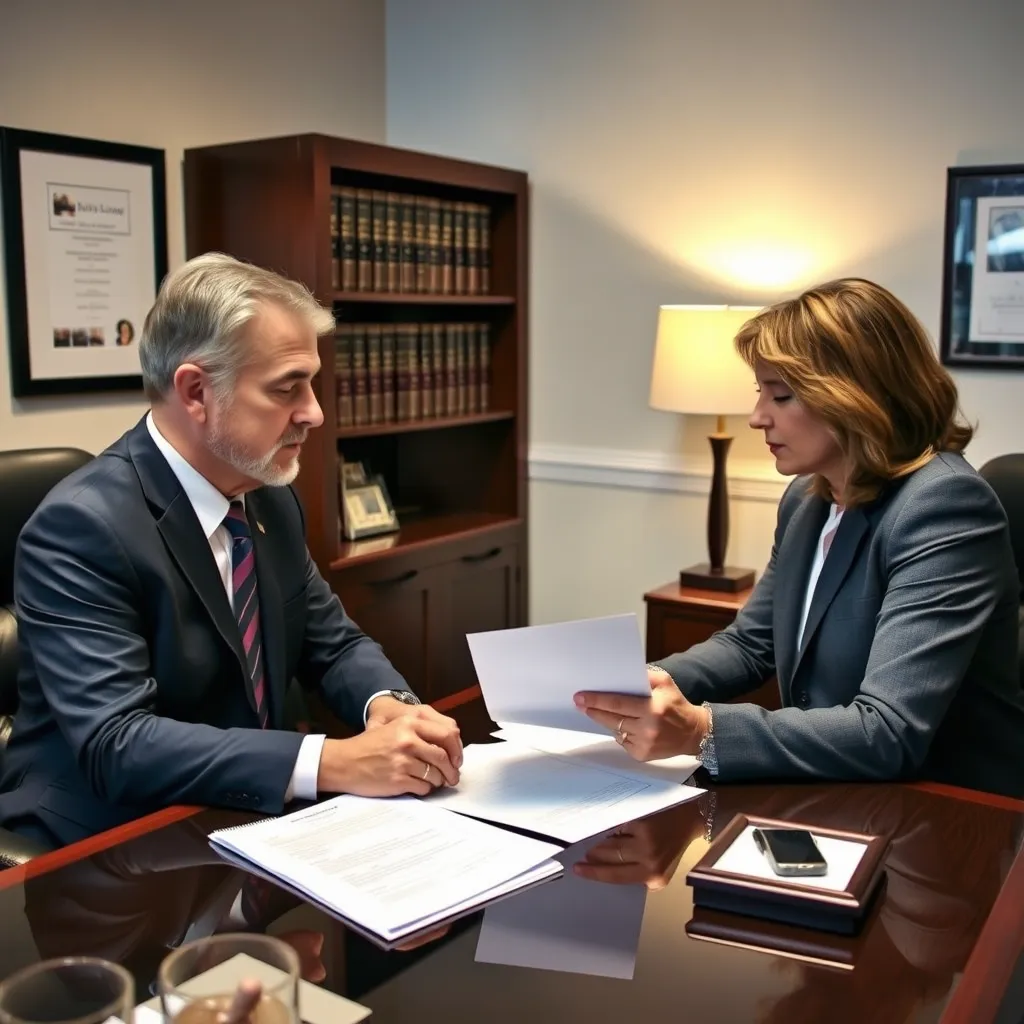
Note: This article is confirmed by Law Offices Of SRIS, P.C.
WRITTEN BY: Mr. Sris
Since 1997, Mr. Sris has led the firm, focusing on the most challenging criminal and family law cases… His background in accounting and information management aids in financial and technology-related cases… Involved in significant legislative changes in Virginia.
Insight: My focus since founding the firm in 1997 has always been directed towards personally handling the most challenging and involved criminal and family law matters our clients face.
Insight: I find my background in accounting and information management provides a unique advantage when handling the intricate financial and technological aspects inherent in many modern legal cases.
Insight: As someone deeply involved in the community, I believe it’s important to not only practice law but also to actively participate in shaping it, which is why I dedicated effort towards amending Virginia Code § 20-107.3 and achieving state recognition for cultural milestones.
Kinship Adoption Lawyer New Kent VA
What is Kinship Adoption
Kinship adoption represents a legal process where relatives assume parental responsibilities for children within their family. This arrangement typically involves grandparents, aunts, uncles, or other close family members adopting children who cannot remain with their biological parents. The primary goal involves providing children with stable homes while maintaining existing family relationships.
The adoption process begins with understanding Virginia’s legal requirements. Families must complete home studies conducted by licensed social workers. These evaluations assess living conditions, family dynamics, and ability to provide proper care. Background checks examine criminal history and child protective service records. Financial stability evaluations ensure families can meet children’s needs.
Legal documentation forms the foundation of kinship adoption. Petitions filed with New Kent courts initiate proceedings. Consent forms from biological parents may be required unless parental rights have been terminated. Medical records, birth certificates, and other vital documents must be gathered. Court hearings determine whether adoption serves the child’s best interests.
Post-adoption considerations include updating legal documents and establishing new relationships. Adoption decrees replace birth certificates with adoptive parents’ names. School records, medical files, and insurance documents require updates. Families should consider counseling resources to help children adjust to new family structures.
Real-Talk Aside: This process takes time and requires patience. Paperwork demands attention to detail, and court schedules dictate timing.
How to Pursue Kinship Adoption
Beginning kinship adoption requires understanding Virginia’s procedural requirements. Initial consultations with legal professionals help families assess their situations. These meetings identify potential challenges and outline necessary steps. Families should gather existing documentation including birth certificates, custody orders, and family relationship proof.
Home study preparation represents a vital component. Families must demonstrate safe living environments and adequate resources. Social workers evaluate home safety, sleeping arrangements, and general living conditions. Financial documentation shows ability to support additional family members. Reference letters from community members provide character assessments.
Court procedures involve filing adoption petitions in New Kent Circuit Court. These documents outline family relationships and adoption requests. Consent forms from biological parents may be necessary unless rights have been terminated. Guardian ad litem appointments represent children’s interests during proceedings. Court hearings allow judges to review evidence and make determinations.
Post-filing requirements include attending court hearings and responding to inquiries. Judges may request additional information or clarification. Finalization hearings conclude the adoption process. Adoption decrees establish legal parent-child relationships. Families receive updated birth certificates reflecting new family structures.
Real-Talk Aside: Court timelines vary, and unexpected delays can occur. Having all documents prepared in advance helps move things forward.
Can I Adopt a Relative’s Child
Eligibility for relative adoption depends on several factors under Virginia law. Relationship proximity determines who qualifies as appropriate adoptive relatives. Grandparents, aunts, uncles, and adult siblings typically meet relationship requirements. More distant relatives may require additional justification for adoption approval.
Legal capacity requirements ensure adoptive parents can assume responsibilities. Adults must be at least eighteen years older than the child being adopted. Criminal background checks examine history for disqualifying offenses. Financial stability assessments determine ability to provide for children’s needs. Physical and mental health evaluations may be required in some cases.
Consent considerations vary based on parental circumstances. Biological parents may voluntarily consent to adoption in writing. When parents cannot be located or are unwilling to consent, termination of parental rights may be necessary. Courts determine whether adoption serves children’s best interests when parental consent is unavailable.
Home study evaluations assess family environments and relationships. Social workers interview family members and observe interactions. Safety inspections ensure homes meet basic standards. Reference checks provide additional perspective on family dynamics. These evaluations help courts make informed decisions about placement suitability.
Real-Talk Aside: Not every relative qualifies automatically. Courts prioritize children’s wellbeing above family connections when making decisions.
Why Hire Legal Help for Kinship Adoption
Professional legal assistance offers several advantages for kinship adoption cases. Knowledge of Virginia adoption laws helps families understand requirements and timelines. Attorneys prepare necessary documentation including petitions, consents, and court filings. They ensure forms contain accurate information and meet filing deadlines.
Court representation provides valuable support during proceedings. Lawyers present cases effectively before judges. They respond to court inquiries and address potential concerns. Legal professionals coordinate with social workers and other involved parties. Their courtroom experience helps families present their situations clearly and persuasively.
Document management represents another important benefit. Attorneys organize required paperwork including birth certificates, medical records, and financial documents. They ensure proper notarization and filing of all materials. Legal teams track submission deadlines and follow up on pending items. This systematic approach reduces stress for families undergoing adoption.
Problem-solving capabilities help address unexpected challenges. When biological parents cannot be located, attorneys pursue alternative legal pathways. If home study reports contain concerns, legal professionals help families address issues. They develop strategies for presenting family strengths and addressing potential weaknesses.
Real-Talk Aside: Legal fees represent an investment in getting things done correctly. Mistakes in paperwork or procedure can create significant delays.
FAQ:
What is kinship adoption?
Kinship adoption involves relatives legally adopting children within their family. This creates permanent parent-child relationships through court approval.
Who can pursue kinship adoption in Virginia?
Grandparents, aunts, uncles, and adult siblings typically qualify. Relationship proof and home study approval are required for legal adoption.
What documents are needed for kinship adoption?
Birth certificates, relationship proof, financial records, and home study reports. Court petitions and consent forms complete required documentation.
How long does kinship adoption take?
Timelines vary based on case circumstances and court schedules. Most processes require several months from start to completion.
What costs are involved in kinship adoption?
Court fees, home study costs, and legal expenses comprise typical costs. Some families qualify for financial assistance programs.
Can both parents consent to kinship adoption?
Biological parents may provide written consent for adoption. When consent is unavailable, courts may terminate parental rights.
What happens after adoption is finalized?
Families receive adoption decrees and updated birth certificates. Legal parent-child relationships are established permanently.
Do adopted children maintain contact with biological parents?
Contact arrangements vary based on family agreements and court orders. Some adoptions include provisions for continued relationships.
What if home study reveals concerns?
Families can address identified issues before proceeding. Social workers provide guidance for meeting required standards.
Can kinship adoption be reversed?
Adoption represents a permanent legal arrangement. Reversals require extraordinary circumstances and court approval.
What support exists for adoptive families?
Counseling services, support groups, and educational resources help families adjust. Some programs offer financial assistance for certain expenses.
How does kinship adoption affect inheritance rights?
Adopted children have equal inheritance rights as biological children. Legal parent-child relationships extend to inheritance matters.
Past results do not predict future outcomes