
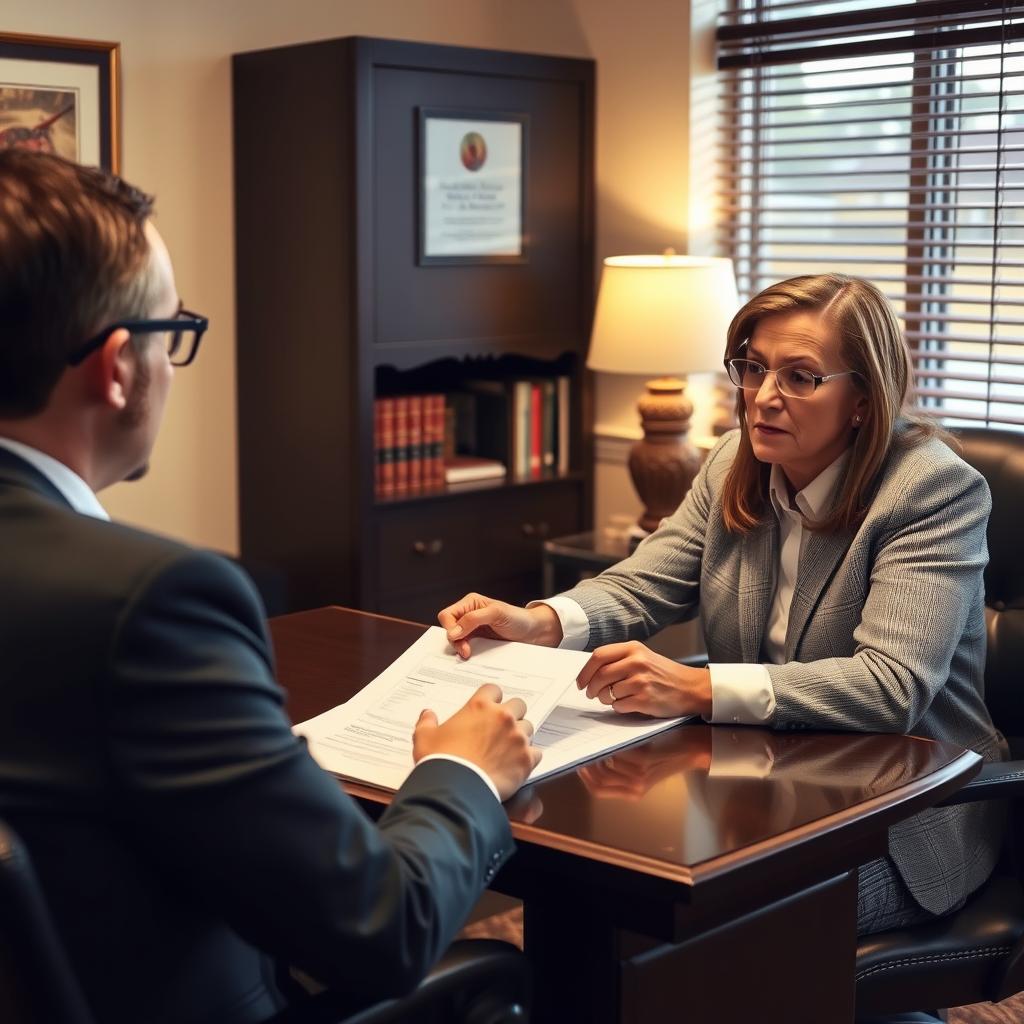
Partner Support Lawyer James City County, VA
When a relationship ends, the question of partner support—also called spousal support or alimony—can shape a person’s financial life for years. In James City County, Virginia, these determinations are made under a detailed statutory framework that gives the court broad discretion to consider the unique circumstances of each marriage and each spouse. Law Offices Of SRIS, P.C., founded in 1997, concentrates its practice in family law and appears regularly in the courts that decide partner support matters in James City County. Mr. Sris, the firm’s Owner and Founder, is a former prosecutor with experience in trial work. Together with his Of Counsel team, he helps clients navigate support negotiations, modifications, and enforcement proceedings. Our Richmond location at 7400 Beaufont Springs Drive, Suite 300, Room 395, Richmond, VA 23225 serves individuals throughout James City County—including Williamsburg, Norge, Toano, and Lightfoot. Reach our location at (888) 437-7747 to schedule a confidential consultation about your partner support situation. Law Offices Of SRIS, P.C. — Advocacy Without Borders.
What Partner Support Means in James City County
In Virginia, partner support is the court‑ordered financial assistance one spouse pays to the other after separation or divorce. Unlike the division of marital property—which divides assets based on their classification under Virginia’s equitable distribution statute (Va. Code § 20‑107.3)—spousal support is a separate remedy designed to address ongoing economic need. The James City County Circuit Court has exclusive jurisdiction over divorce actions and, as part of those proceedings, decides whether to award partner support, in what amount, and for what duration. The James City County Juvenile and Domestic Relations District Court may also hear standalone support petitions when no divorce action is pending. Both courts apply the same statutory factors, giving careful attention to the financial realities of the parties.
When evaluating a partner support claim, the court examines the 13 factors listed in Virginia Code § 20‑107.1. These include each spouse’s income and earning capacity, the standard of living established during the marriage, the duration of the marriage, the contributions of each party to the marriage and to the other’s career or education, and the age and physical condition of each spouse. No single factor controls the outcome, and the court can tailor an award that is periodic (weekly or monthly payments), lump‑sum, or a combination of both. Cases filed in James City County proceed under the Ninth Judicial District’s scheduling practices, with the Williamsburg‑area courts located at 5201 Monticello Avenue, Suite 4, Williamsburg, VA 23188. Our Richmond location is familiar with each court’s procedures and appears on behalf of clients in both the Circuit Court and the Juvenile and Domestic Relations District Court.
How Mr. Sris and His Of Counsel Handle Partner Support Cases
Partner support disputes often involve emotionally charged disagreements about who contributed what to the marriage and what each spouse needs to move forward. Mr. Sris and his Of Counsel approach these cases by first building a clear, evidence‑based picture of the marital finances. They work with clients to gather tax returns, pay stubs, business records, and expense statements that will help the court see the full financial landscape. Early in the process, they assess whether a negotiated resolution is possible—a separation agreement that addresses both property division and spousal support can reduce the time, expense, and uncertainty of litigation. When negotiation is not viable, Mr. Sris and his team prepare the case for hearing, presenting testimony and documentary evidence that highlight the factors most favorable under § 20‑107.1.
Throughout the process, the focus remains on the practical impact of any support award. The firm’s familiarity with the James City County courts means that clients receive guidance grounded in how local judges tend to evaluate support claims—without making promises about what any particular judge will do. Mr. Sris and his Of Counsel also assist with post‑judgment matters, such as modifying an existing support order when a substantial change in circumstances occurs, or enforcing unpaid support through contempt proceedings. Every approach is tailored to the client’s specific situation, and the firm works toward a resolution that gives the supported spouse a realistic path to self‑sufficiency while ensuring the paying spouse is not burdened beyond what the law requires.
About Mr. Sris and His Of Counsel Team
Mr. Sris, Owner and Founder of Law Offices Of SRIS, P.C., established the firm in 1997 to serve clients across Virginia and several neighboring jurisdictions. He is a former prosecutor who applies the lessons learned in the courtroom to every family law matter he handles. Mr. Sris testified before the Virginia House Courts of Justice Committee in support of 2019 HB 635 (chief patron Del. David Bulova). He is admitted to practice in Virginia, Maryland, the District of Columbia, New Jersey, and New York, giving him a broad perspective on how support laws differ from state to state.
Mr. Sris and his Of Counsel bring over 120 years of combined legal experience, supported by over 4,739+ documented firm-wide results. Results may vary. The Of Counsel attorneys are non‑employee lawyers engaged through Excella who collaborate with Mr. Sris on partner support and other family law matters. Together, they appear in the James City County Circuit Court and the James City County Juvenile and Domestic Relations District Court, where they focus on achieving practical, equitable outcomes for their clients.
Frequently Asked Questions
What is partner support in Virginia?
Partner support in Virginia is a court‑ordered payment from one spouse to the other after separation or divorce, intended to address economic need and maintain a standard of living comparable to what existed during the marriage. Virginia law does not call it “alimony” in its statutes, though the term is commonly used. Support can be periodic, lump‑sum, or both, and it is separate from child support or property division. The court determines whether support is appropriate, the amount, and the duration based on the factors in Va. Code § 20‑107.1. A spouse who can demonstrate a need for support—often due to a disparity in earning power or career sacrifices made during the marriage—may be awarded support.
How does a Virginia court calculate spousal support?
A Virginia court calculates spousal support by weighing 13 statutory factors under Va. Code § 20‑107.1, not by applying a rigid formula. The factors include each spouse’s income, the standard of living during the marriage, the duration of the marriage, the contributions each made to the other’s education or career, and the age and health of the parties. The court also considers any marital misconduct that caused the breakdown of the marriage. There is no automatic entitlement to support; the party requesting it must show a need and the other’s ability to pay. A judge in James City County will examine the specific facts of your case, and experienced counsel can help present those facts clearly.
Can spousal support be modified after a divorce?
Yes, spousal support in Virginia can be modified if the party seeking the change shows a material change in circumstances that was not anticipated at the time the original order was entered. This might include a significant involuntary loss of income, a serious health issue, or a change in the recipient spouse’s financial needs. The same James City County court that issued the original order generally handles the modification. However, if the parties agreed in writing that support is non‑modifiable, the court will honor that agreement. Modifications are backward‑looking only to the date the motion was filed; arrears that accrued before that date are not retroactively forgiven.
Do I need a lawyer for a partner support dispute?
You are not legally required to hire a lawyer for a partner support matter in Virginia, but the statutory factors are complex and the financial stakes are often high, so experienced legal guidance can help protect your interests. A lawyer can help you assemble the financial evidence the court will consider, argue how the 13 factors apply in your case, and negotiate a settlement that avoids prolonged litigation. If you are the paying spouse, an attorney can ensure that the amount ordered is reasonable and does not place an unfair burden on you. For guidance on your specific situation, reach Law Offices Of SRIS, P.C. at (888) 437-7747.
What factors does a court consider when awarding spousal support?
The court considers 13 factors set out in Va. Code § 20‑107.1, including the earning capacity of each party, the standard of living during the marriage, the duration of the marriage, and the contributions of each party to the other’s education or career. Other important factors are the age and physical and mental condition of each spouse, the sources and amounts of each party’s income, and any acts of misconduct that contributed to the dissolution of the marriage. The court may also weigh the tax consequences of a support award. No one factor is decisive, and the judge balances them all to arrive at an equitable result based on the evidence presented.
How can I enforce a spousal support order in James City County?
If a former spouse fails to pay court‑ordered spousal support, the recipient can file a show‑cause petition in the James City County court that issued the order, asking the judge to hold the non‑paying party in contempt. The court may order the arrears paid, impose a payment plan, or even incarcerate a willful violator in extreme cases. Other enforcement tools include wage garnishment and liens on property. Because enforcement procedures involve specific deadlines and evidentiary requirements, it is wise to consult with a lawyer who is familiar with the local court’s practices. Reach our Richmond location at (888) 437-7747 to discuss enforcement options.
Related Pages: Family Law Lawyer York County, VA | Family Law Lawyer Williamsburg, VA | Family Law Lawyer Fairfax County, VA
Official sources: Va. Code § 20‑107.1 (Spousal Support Factors) · Williamsburg/James City County GDC · Virginia Judicial System
Attorney advertising. Prior results do not guarantee a similar outcome. Results may vary.
Case results depend on a variety of factors unique to each case.