
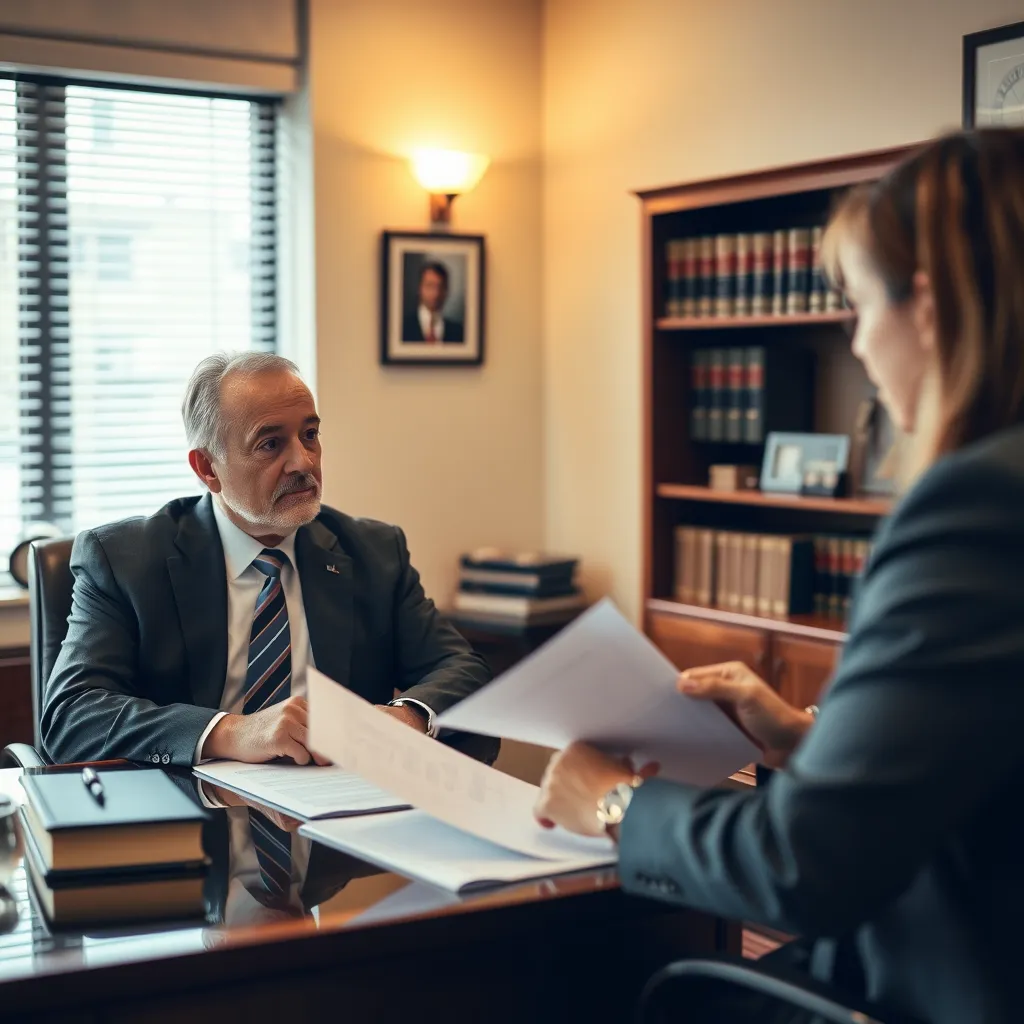
Note: This article is confirmed by Law Offices Of SRIS, P.C.
WRITTEN BY: Mr. Sris
Since 1997, Mr. Sris has led the firm, focusing on the most challenging criminal and family law cases… His background in accounting and information management aids in financial and technology-related cases… Involved in significant legislative changes in Virginia.
Insight: My focus since founding the firm in 1997 has always been directed towards personally handling the most challenging and involved criminal and family law matters our clients face.
Insight: I find my background in accounting and information management provides a unique advantage when handling the intricate financial and technological aspects inherent in many modern legal cases.
Insight: As someone deeply involved in the community, I believe it’s important to not only practice law but also to actively participate in shaping it, which is why I dedicated effort towards amending Virginia Code § 20-107.3 and achieving state recognition for cultural milestones.
Relative Adoption Lawyer Virginia
What is Relative Adoption
Relative adoption represents a legal process where family members assume parental responsibilities for children within their extended family. This arrangement typically occurs when biological parents face circumstances preventing them from providing adequate care. Virginia statutes establish specific procedures for these kinship adoptions, recognizing the importance of maintaining family connections while ensuring child welfare.
The adoption process begins with understanding Virginia’s legal framework. Family members must file petitions in the appropriate circuit court, providing documentation of their relationship to the child. Courts require evidence that the adoption serves the child’s best interests, which involves evaluating the home environment, financial stability, and emotional readiness of the adopting relatives.
Legal representation helps manage the procedural requirements, including obtaining necessary consents from biological parents. In cases where consent cannot be obtained, courts may terminate parental rights based on specific grounds established in Virginia law. The adoption process also involves background checks, home studies conducted by social services, and court hearings where judges assess the suitability of the adoption arrangement.
Professional legal assistance ensures all documentation meets court standards and deadlines are observed. Lawyers familiar with Virginia adoption law can anticipate potential challenges and develop strategies to address them. They help families understand their rights and responsibilities throughout the adoption journey, providing guidance on post-adoption matters such as name changes and birth certificate amendments.
How to Pursue Relative Adoption
Beginning the relative adoption process requires understanding Virginia’s legal pathway. The first step involves consulting with legal professionals who can explain Virginia’s adoption statutes and assess the specific family situation. This initial consultation helps identify potential challenges and develop a strategy for proceeding with the adoption.
Document preparation forms the foundation of the adoption petition. Families must gather birth certificates, marriage records, proof of relationship to the child, and financial documentation. Virginia courts require evidence that adopting relatives can provide stable environments, including information about housing, income, and family support systems. These documents demonstrate the family’s ability to meet the child’s needs.
Home studies represent a vital component of Virginia’s adoption process. Social workers evaluate the home environment, interview family members, and assess the overall suitability for adoption. These studies examine safety considerations, emotional readiness, and the family’s understanding of adoption responsibilities. Preparation for home studies involves ensuring the home meets safety standards and that family members can articulate their commitment to the child’s wellbeing.
Court proceedings involve filing petitions, attending hearings, and obtaining final adoption decrees. Legal representation helps present the case effectively to the court, addressing any questions or concerns raised by judges. Lawyers manage the procedural aspects, ensuring all requirements are met and advocating for the adoption’s approval based on the child’s best interests.
Can I Adopt a Relative’s Child
Eligibility for relative adoption in Virginia depends on several factors established by state law. The relationship between the adopting relative and the child must fall within degrees recognized by Virginia statutes. Typically, grandparents, aunts, uncles, and adult siblings qualify as eligible relatives, though other family connections may also be considered depending on specific circumstances.
Parental consent represents another important consideration. Virginia generally requires consent from both biological parents unless specific exceptions apply. Courts may waive consent requirements in situations involving abandonment, neglect, or unfitness. Legal professionals can help families understand whether their situation qualifies for consent exceptions under Virginia law.
The adopting relative’s ability to provide appropriate care undergoes thorough evaluation. Virginia courts consider factors including financial stability, housing adequacy, emotional readiness, and overall family dynamics. Home studies conducted by social services provide objective assessments of these factors, helping courts determine whether the adoption arrangement serves the child’s best interests.
Legal guidance helps families assess their specific situation against Virginia’s adoption criteria. Lawyers review family circumstances, explain eligibility requirements, and identify potential challenges. They help gather necessary documentation and prepare families for the evaluation process, increasing the likelihood of successful adoption outcomes.
Why Hire Legal Help for Relative Adoption
Virginia’s adoption laws contain specific requirements that demand careful attention to detail. Legal professionals familiar with these statutes help families understand their rights and responsibilities. They explain Virginia’s procedural requirements, including filing deadlines, documentation standards, and court hearing protocols. This knowledge helps prevent delays caused by incomplete paperwork or procedural errors.
Document preparation represents a substantial aspect of adoption proceedings. Lawyers help gather and organize necessary documents, ensuring they meet court standards. They prepare legal petitions, consent forms, and supporting documentation that presents the family’s case effectively. Proper documentation demonstrates the family’s readiness and commitment to providing appropriate care.
Court representation provides advocacy during adoption hearings. Lawyers present the family’s case to judges, addressing any questions or concerns that arise. They help families prepare for testimony and questioning, ensuring they present themselves effectively. Legal representation also helps manage any objections or challenges that may emerge during proceedings.
Post-adoption matters require attention to ensure all legal aspects are completed properly. Lawyers help with name change petitions, birth certificate amendments, and other administrative tasks following adoption approval. They provide guidance on legal responsibilities that continue after adoption, helping families understand their ongoing obligations under Virginia law.
FAQ:
What is relative adoption in Virginia?
Relative adoption allows family members to become legal parents when biological parents cannot provide care. Virginia has specific laws governing these kinship arrangements.
Who can adopt a relative’s child in Virginia?
Grandparents, aunts, uncles, adult siblings, and other close relatives may qualify. Virginia law establishes relationship requirements for eligibility.
What documents are needed for relative adoption?
Birth certificates, marriage records, proof of relationship, financial documents, and home study reports are typically required in Virginia adoption cases.
How long does relative adoption take in Virginia?
The process usually takes several months to complete. Timing depends on court schedules, document preparation, and home study completion.
What is a home study in adoption?
A home study evaluates the adopting family’s environment, safety, and readiness. Virginia requires this assessment for all adoption cases.
Can parental consent be waived in Virginia?
Virginia courts may waive consent in specific situations involving abandonment, neglect, or parental unfitness as defined by state law.
What happens after adoption is granted?
Families receive new birth certificates and complete name change procedures. Legal parental rights transfer permanently to adopting relatives.
How much does relative adoption cost in Virginia?
Costs vary based on legal fees, court costs, and home study expenses. Some families may qualify for financial assistance programs.
Can I adopt a relative’s child if I live in another state?
Interstate adoption involves additional legal considerations. Virginia has specific requirements for these situations that require careful handling.
What if biological parents change their minds?
Virginia law establishes specific timelines and procedures for consent revocation. Legal guidance helps address these situations properly.
Are there age requirements for adopting relatives?
Virginia requires adopting parents to be adults, typically at least 18 years older than the child being adopted.
What support is available after adoption?
Virginia offers various resources including counseling, support groups, and educational programs for adoptive families.
Past results do not predict future outcomes